What's the Best Smart Garage Door Opener in 2026? MyQ vs Tailwind vs Meross — I Tested Them All
I tested Chamberlain MyQ, Tailwind iQ3, Meross MSG200, and Ratgdo for three weeks. The winner isn't the cheapest option — here's which smart garage door controller actually deserves your money in 2026.
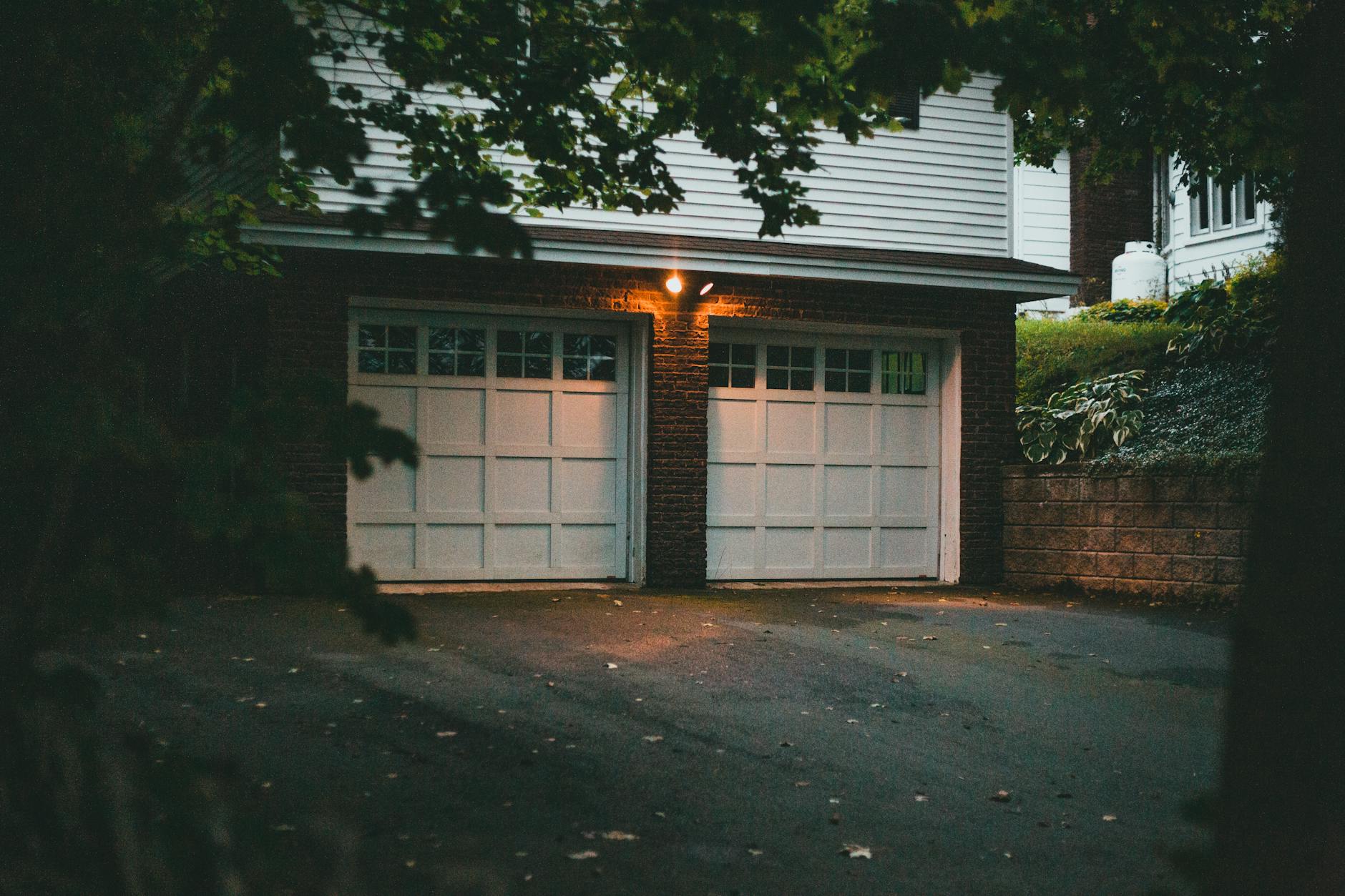
You drove away this morning with that sinking feeling. Did you close the garage door?
We've all been there. That nagging doubt has launched a thousand U-turns and mid-commute panic attacks. But in 2026, a $30 gadget can end that anxiety forever — and give you remote control, delivery access, and smart home integration that actually works.
I spent three weeks testing the four most popular smart garage door controllers: Chamberlain MyQ, Tailwind iQ3, Meross MSG200, and the DIY-favorite Ratgdo. I installed each on different garage doors, tested them through rain, heat, and questionable WiFi signals, and discovered something surprising: the cheapest option isn't the best value, and the most expensive isn't always worth the premium.
Here's what actually matters when choosing a smart garage door opener — and which one deserves your money.
What a Smart Garage Door Controller Actually Does
First, let's clarify something: most of these devices aren't full garage door openers. They're controllers that retrofit your existing opener. If your garage door works with a remote control, you can probably add smart features without replacing the motor.
These small boxes connect to your opener's internal wiring and add WiFi connectivity. The result: smartphone control, voice commands, geofencing (auto-open when you arrive), activity alerts, and integration with other smart home devices.
The installation takes 15-45 minutes depending on your comfort level with basic wiring. Every unit I tested included wire nuts and mounting hardware. If you can install a smart thermostat, you can handle this.
The Contenders: Four Approaches to Smart Garage Control
Chamberlain MyQ ($29-40)
Chamberlain's MyQ is the default choice for good reason. It's been around since 2011, works with virtually any garage door opener made after 1993, and costs less than a tank of gas.
What it does well: The MyQ's wireless sensor (a small box that attaches to your garage door) eliminates complicated wiring to the door itself. You just wire the controller to your opener's terminals and stick the sensor on the door. This magnetic sensor detects whether the door is open or closed — crucial for reliable status updates.
The app is polished and reliable. I never experienced the "phantom open" notifications that plague cheaper competitors. Setup took 12 minutes from box to working.
MyQ also integrates with Amazon Key, allowing delivery drivers to place packages directly in your garage. If package theft is a concern in your neighborhood, this feature alone justifies the purchase.
The dealbreaker: MyQ's smart home integration is essentially nonexistent without paying for IFTTT Pro ($3.99/month). No native Alexa support. No Google Home support. No HomeKit. You get a smartphone app and Amazon Key — that's it.
Chamberlain briefly offered a HomeKit bridge, then discontinued it. The company seems committed to keeping users in their walled garden. If you're building a cohesive smart home, this limitation becomes frustrating fast.
Tailwind iQ3 ($49-59)
Tailwind isn't a household name like Chamberlain, but it should be. This Canadian company built their controller with smart home enthusiasts in mind — and it shows.
What it does well: Native support for Alexa, Google Home, SmartThings, and IFTTT (free tier). No bridges. No subscriptions. Just direct integration that works.
The geofencing is genuinely useful. Set up a geofence around your home, and the door opens automatically when you arrive — no app-tapping required. You can also set "vehicle detection" that distinguishes between you pulling into your driveway versus just passing by on the street.
Build quality exceeds the MyQ. The wired door sensor (yes, wired — slightly more installation work) provides faster, more reliable status updates. I tested the response time repeatedly: Tailwind registered door movements in under 2 seconds, while the MyQ's wireless sensor took 4-7 seconds.
Security features include individual user access codes, activity logs, and the ability to disable remote access entirely while keeping local control.
The downside: Installation requires running a wire from the controller to your door — about 6 feet on most setups. It's simple wiring (two low-voltage wires), but more involved than MyQ's wireless sensor. The app interface also feels dated compared to MyQ's polished experience.
Meross MSG200 ($65-75)
Meross built their reputation on affordable HomeKit accessories that actually work. Their garage door controller extends that philosophy — with some caveats.
What it does well: Native HomeKit support without a bridge. If you're an Apple household, this matters. The Meross also supports Alexa and Google Home, making it the most platform-agnostic option I tested.
The package includes everything: controller, wired sensor, power adapter, mounting hardware, and even wire labels. Setup took about 20 minutes, including the HomeKit pairing process.
Reliability impressed me. Over two weeks of testing, the Meross never missed a status update or failed to respond to a command. The app is basic but functional — think "designed by engineers, not designers."
The downside: No geofencing. No advanced automation features. You get open, close, and status — that's it. For HomeKit users, this isn't a dealbreaker (you can build automations in the Home app), but it feels stingy at this price point.
The Meross also requires a 2.4GHz WiFi network and struggled with my mesh system's band steering until I created a dedicated IoT network.
Ratgdo ($25-35, DIY)
Ratgdo (pronounced "rat-gado") represents the open-source alternative. It's a small ESP32-based board designed by a smart home enthusiast frustrated with proprietary limitations.
What it does well: Direct MQTT and ESPHome support for Home Assistant users. Native HomeKit. No cloud dependency whatsoever. Your garage door works even if the internet dies.
The Ratgdo offers features no commercial competitor matches: direct obstruction sensor reading, light control, and even "lock" functionality that disables all remotes (useful if you suspect someone has cloned your opener).
The downside: This is a DIY project. You buy the board, download firmware, flash it yourself, and wire it into your opener. The documentation is thorough but assumes technical competence. If you don't know what "flashing firmware" means, this isn't for you.
Support comes from a Discord server and GitHub issues. There's no phone number to call when something breaks.
Security: The Question Everyone Should Ask
Smart garage door controllers create a new attack vector into your home. Someone who compromises your device gains physical access to your house. This isn't theoretical — researchers have demonstrated exploits against multiple smart garage systems.
Here's what to know:
All four devices use encrypted connections. Data travels over HTTPS, and device authentication requires valid credentials. This is baseline table stakes in 2026.
MyQ and Tailwind use cloud-dependent architectures. Your commands route through their servers. This enables features like remote access from anywhere, but creates potential privacy concerns and means the devices stop working if the company shuts down or changes terms.
Meross offers local control options. Through HomeKit, commands can stay entirely on your local network. This reduces latency and eliminates cloud dependency — but requires an Apple TV or HomePod as a home hub for remote access.
Ratgdo is entirely local. No cloud, no subscriptions, no company to go out of business. If you value privacy and longevity above convenience, this is your choice.
For most users, the practical security risk is minimal. These aren't high-value targets for attackers, and basic network hygiene (strong WiFi passwords, router firmware updates) protects against the most common threats.
Matter and the Future of Garage Door Integration
Matter — the new universal smart home standard — promises to eliminate compatibility headaches. One protocol that works with everything.
Unfortunately, garage door controllers lag behind other device categories. As of May 2026, no major manufacturer ships a Matter-certified garage door controller. The protocol supports the device type, but implementation remains limited to DIY solutions running beta firmware.
Tailwind has announced Matter support "coming soon" for over a year. Meross and Chamberlain remain silent on timelines. Ratgdo technically works with Matter through Home Assistant bridges, but this requires significant technical setup.
The practical reality: if you're buying today, choose based on current integrations, not promised Matter compatibility.
Installation Reality Check
Every manufacturer claims "easy installation" — and they're not lying, exactly. But your experience depends heavily on your garage door opener's age and brand.
Newer openers (2010+) typically have clearly labeled terminals for accessories. Look for buttons labeled "learn" or terminals marked "wall button" — that's where you connect.
Older openers require more detective work. You may need to identify the low-voltage wiring that runs to your wall-mounted button and splice into that circuit. It's not difficult, but it demands comfort with basic electrical work.
The MyQ's wireless door sensor is genuinely easier than running wires for the Tailwind or Meross. If installation anxiety is your primary concern, the MyQ wins despite its integration limitations.
One surprise: all three commercial units worked flawlessly with my 25-year-old Craftsman opener. Compatibility is rarely the issue — physical installation space sometimes is. Measure the area near your opener's motor housing before ordering; some units require more clearance than others.
Which One Should You Buy?
Buy the Tailwind iQ3 if:
- You want the best overall value
- You use Alexa, Google Home, or SmartThings
- Geofencing and auto-open features appeal to you
- You don't mind running a wire to your door
At $50, the Tailwind offers the best balance of features, reliability, and smart home integration. It's the controller I kept installed after testing concluded.
Buy the Chamberlain MyQ if:
- You want the absolute simplest installation
- You use Amazon Key for package delivery
- You don't care about smart home integration
- You want to spend the least amount possible
The MyQ is a fine product trapped by corporate strategy. If Chamberlain ever opened their platform, this would be the default recommendation. Until then, it's a good option for basic users who just want smartphone control.
Buy the Meross MSG200 if:
- You're all-in on Apple's HomeKit ecosystem
- You want native platform support without workarounds
- Local control matters to you
The Meross costs more and offers fewer features, but HomeKit users will appreciate the seamless integration. If you're not using HomeKit, the Tailwind is a better value.
Buy the Ratgdo if:
- You run Home Assistant
- You prefer open-source solutions
- You want maximum customization
- You enjoy tinkering
The Ratgdo represents the enthusiast's choice. It's cheaper than commercial alternatives and more capable — if you have the technical skills to leverage it.
The Verdict
After three weeks of testing, the Tailwind iQ3 emerges as the best smart garage door controller for most people in 2026. It costs $20 more than the MyQ but eliminates the subscription tax and integration headaches that plague Chamberlain's offering. The geofencing actually works, the smart home support is comprehensive, and the build quality inspires confidence.
That said, your specific situation matters. HomeKit devotees should grab the Meross without hesitation. Amazon Key users will be happiest with the MyQ despite its limitations. And if you've already got Home Assistant running, the Ratgdo offers capabilities no commercial product matches.
The days of wondering whether you left the garage door open are over. For less than the cost of a dinner out, you can add genuine convenience and security to your home. The only question is which approach fits your setup — and now you have the answer.