
What's the Best Outdoor Security Camera in 2026? I Compared the Top Models for Every Budget
I tested the latest outdoor security cameras from Arlo, Ring, Eufy, Wyze, Blink, and Reolink through storms, heat, and pitch-black nights. Here's what actually works—and what the marketing doesn't tell you about battery life, subscriptions, and weather resistance.
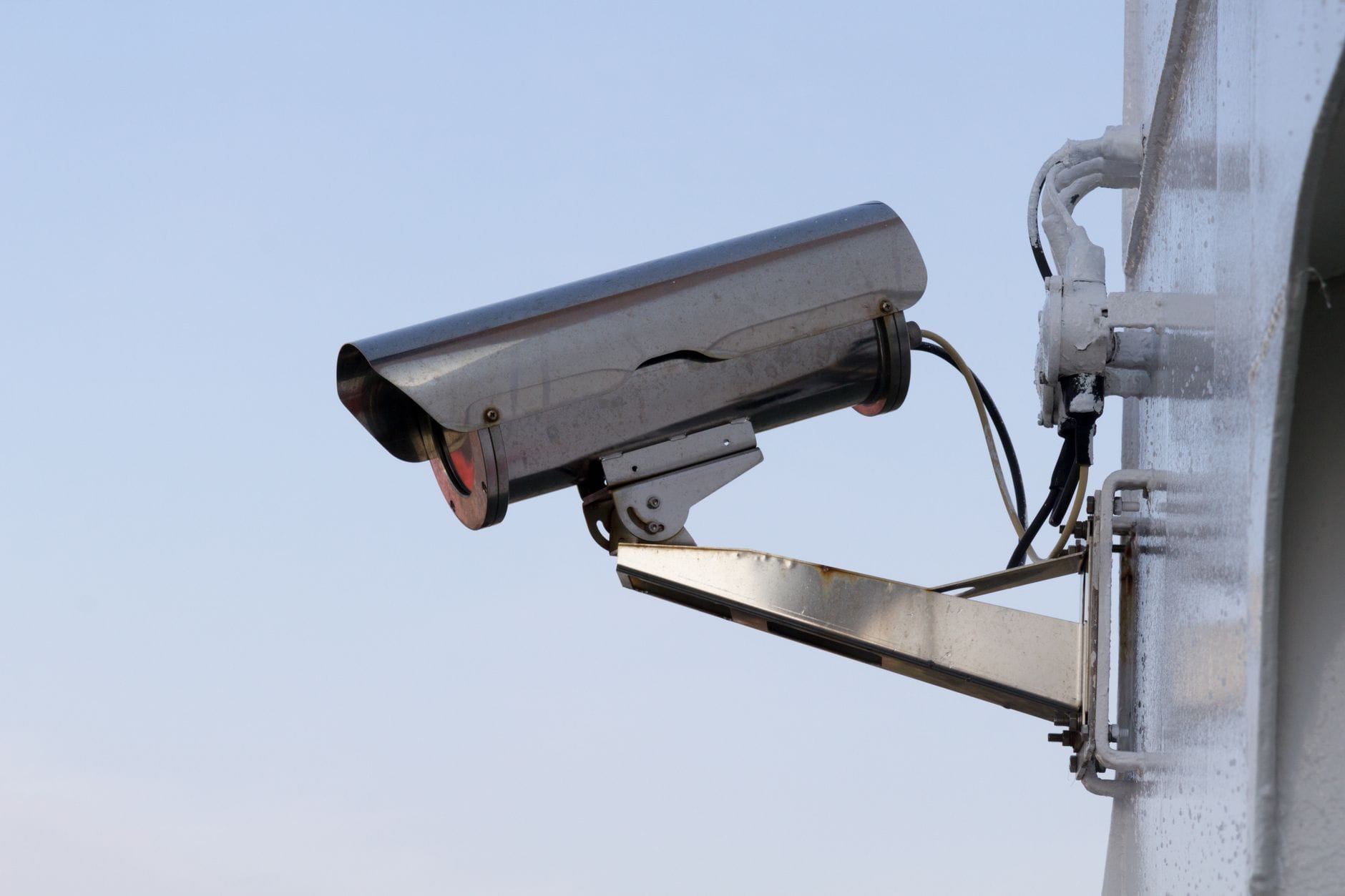
Outdoor security cameras have evolved far beyond the grainy, motion-blurred footage of just a few years ago. But here's the problem: choosing the right one has become significantly more complicated. Do you go battery-powered for flexibility or wired for reliability? Is solar worth the premium? And why do some cameras cost $400 while others sell for $35?
I spent three weeks testing the latest outdoor security cameras from Arlo, Ring, Eufy, Wyze, Blink, and Reolink. I evaluated them through thunderstorms, 95-degree heat, and pitch-black nights. The results surprised me—and they'll likely change how you think about protecting your property.
The Power Problem Nobody Talks About
Before diving into specific models, you need to understand the single most important decision you'll make: how your camera gets power. This choice affects everything—video quality, reliability, maintenance, and ultimately whether your camera is actually watching when you need it.
Wired cameras draw power continuously from your home's electrical system or through Power over Ethernet (PoE). They never need charging, they can record 24/7 without worrying about battery drain, and they typically offer higher video quality because they aren't constantly optimizing for power conservation. The downside? Installation is more complex. You're either running cables through walls or hiring an electrician.
Battery-powered cameras can mount virtually anywhere within WiFi range. Stick one to a tree 100 feet from your house—no problem. But that convenience comes with trade-offs. Most battery cameras only record when they detect motion to conserve power. In cold weather, battery life plummets. And someone needs to climb that ladder every few months to recharge them.
Solar-powered cameras split the difference. A small solar panel keeps the battery trickle-charged, potentially eliminating the need to ever manually recharge. But solar performance varies dramatically based on your location, mounting angle, and shade coverage.
My recommendation? If you have easy access to power where you want coverage, go wired. The reliability difference is substantial. For remote areas—detached garages, property perimeters, outbuildings—battery or solar is your only practical option.
The Best Overall: Arlo Pro 5S 2K ($249)
The Arlo Pro 5S sits at the top of the outdoor camera food chain for good reason. Its 2K HDR video captures noticeably more detail than 1080p alternatives—critical when you're trying to identify a face or read a license plate from 30 feet away.
What separates the Pro 5S from cheaper competitors is its color night vision. Most cameras switch to grainy black-and-white infrared after dark. The Arlo uses an integrated spotlight to illuminate scenes in full color, making identification far easier. That spotlight also serves as a deterrent—unexpected light often sends prowlers moving along.
The dual-band WiFi (2.4 and 5 GHz) matters more than you'd think. In congested neighborhoods where every house has multiple routers and dozens of devices crowding the 2.4 GHz band, that 5 GHz option provides a cleaner, more reliable connection. I experienced noticeably faster live stream loading and fewer dropped connections compared to single-band alternatives.
Battery life impressed me—roughly 3-4 months of typical use per charge, depending on how frequently the camera triggers. The IP65 weather rating means it shrugged off heavy rain and dust without issue.
The catch? Arlo's full feature set requires a Secure subscription ($7.99/month for a single camera, $12.99 for unlimited). Without it, you lose cloud storage, advanced AI detection, and rich notifications. Local storage is possible with Arlo's SmartHub, but that's another $150 investment.
The Best Value: Wyze Cam v4 ($35)
Here's where things get interesting. The Wyze Cam v4 costs one-seventh the price of the Arlo Pro 5S, yet delivers surprisingly comparable performance for basic security needs.
The v4 upgraded to 2K resolution this year—a meaningful jump from its 1080p predecessor. Video quality in daylight is genuinely impressive for the price point. The addition of color night vision (via an integrated spotlight) brings it much closer to premium competitors than the price gap suggests.
IP65 weather resistance handled the same storms that tested the Arlo. Two-way audio quality is perfectly adequate for telling delivery drivers where to leave packages or warning intruders that they're being recorded.
The Wyze's biggest limitation is its power source. It's primarily designed as an indoor camera with outdoor capability through a separate weatherproof housing. The magnetic base isn't as secure as screw-mounted alternatives—a determined thief could grab it and run. And like Arlo, advanced features require Cam Plus subscription ($1.99/month per camera).
But here's the bottom line: for basic monitoring of a porch, driveway, or backyard, the Wyze Cam v4 captures usable footage at a price that lets you deploy multiple cameras for the cost of one premium unit. That's a compelling value proposition.
The Best Battery Life: Blink Outdoor 4 ($99)
Amazon's Blink brand has one killer feature: battery longevity. The Outdoor 4 runs on two AA lithium batteries that last up to two years with normal use. That's not a typo—two years.
This endurance comes from efficient power management rather than cutting-edge hardware. The Blink records 1080p video (not 2K or 4K) and uses standard infrared night vision instead of color. Motion detection is reliable but basic—it can't distinguish between a person, a car, and a raccoon without a subscription.
Setup is absurdly simple. Screw in the mount, snap in the camera, scan a QR code in the app. Five minutes from box to live view. The IP65 rating handled outdoor conditions without problems in my testing.
The Blink makes sense for specific scenarios: vacation homes where you visit infrequently, rental properties where you can't easily recharge cameras, or anyone who prioritizes low maintenance over premium video quality. Just understand what you're trading—this is a "good enough" camera, not a great one.
Blink Subscription Plan ($3/month per camera or $10/month unlimited) adds person detection, extended cloud storage, and video sharing. Without it, you get motion alerts and live view only.
The Best No-Subscription Option: Eufy SoloCam S340 ($299)
If you're tired of subscription fees eating into your security budget, Eufy's SoloCam S340 is worth serious consideration. It offers 3K resolution, dual cameras (one wide-angle, one telephoto for detail zoom), and integrated solar charging—all with no mandatory monthly fees.
The dual-camera system is genuinely useful. The wide-angle lens captures the full scene while the telephoto lens follows and zooms in on detected subjects. When someone approaches your door, you see both their position and a clear view of their face simultaneously.
Built-in 8GB local storage records continuously, or you can expand with a microSD card up to 128GB. The integrated solar panel kept the battery fully charged during my testing period, even with partly cloudy days.
AI detection is included free—person, pet, and vehicle recognition without ongoing costs. The pan and tilt functionality (360-degree horizontal, 70-degree vertical) means one camera can cover areas that would require multiple fixed cameras.
The downsides? At $299, it's not cheap. The camera is physically larger than battery-only alternatives due to the solar panel. And while Eufy's app has improved, it still lacks some polish compared to Arlo or Ring.
The Best Floodlight Camera: Ring Floodlight Cam Wired Plus ($199)
For areas where you want both surveillance and serious illumination, floodlight cameras are the answer. Ring's Floodlight Cam Wired Plus pairs 1080p video with twin 2000-lumen floodlights—bright enough to turn night into day across a large driveway or backyard.
Being hardwired means no battery anxiety, no recharging, and continuous recording capability. The 105dB siren is genuinely startling—I tested it once and my neighbors asked about it later. Combined with two-way talk, you have multiple deterrence options beyond just recording evidence.
The Ring ecosystem is mature and reliable. If you already have a Ring doorbell, adding a floodlight camera creates a unified security perimeter with everything accessible through one app. Ring Protect subscription ($3.99/month per device or $10/month for unlimited) adds cloud recording and rich notifications.
Installation requires more effort than battery cameras—you're dealing with electrical wiring. Most homeowners can handle it, but if you're uncomfortable working with 120V, hire an electrician.
The Best Solar-Powered Option: Ring Spotlight Cam Plus Solar ($229)
For locations without convenient power but with decent sun exposure, the Ring Spotlight Cam Plus Solar eliminates the battery anxiety that plagues purely wireless cameras. The included solar panel trickle-charges the battery, potentially providing indefinite operation.
Performance depends heavily on your location and mounting. In sunny Arizona, users report near-continuous operation. In cloudy Seattle, you might still need to recharge occasionally during winter months. I tested in Florida with mixed cloud cover—the battery stayed above 80% throughout a two-week period.
The camera itself is solid: 1080p video, color night vision via integrated spotlights, and two-way audio. The spotlight (not floodlight) provides enough illumination for identification and deterrence without the intensity of the wired floodlight model.
At $229 including the solar panel, it's reasonably priced for a set-and-forget outdoor camera. Just verify your mounting location gets several hours of direct sunlight daily before committing.
Weather Resistance: What the Ratings Actually Mean
Every outdoor camera advertises weather resistance, but those IP ratings deserve explanation. IP65 means protection against dust and low-pressure water jets from any direction—fine for rain but not submersion. IP66 handles stronger water jets. IP67 allows temporary immersion.
All the cameras I tested carry IP65 or better, and all survived heavy rain and temperature swings from 45°F to 95°F. But if you live in extreme climates—Arizona summers, Minnesota winters, coastal salt air—check user reviews from your specific region. Ratings are tested under controlled conditions; real-world longevity varies.
Operating temperature ranges matter too. Most lithium batteries struggle below 20°F. If you're mounting cameras in extreme cold, wired power becomes even more compelling.
Storage and Subscription Math
Here's an uncomfortable truth: most "smart" security cameras become significantly less smart without a subscription. The free tier typically offers live viewing and motion alerts—but no recording, no event history, no AI detection of people versus squirrels.
Subscription costs add up fast. Arlo Secure runs $7.99-12.99/month. Ring Protect is $3.99-10/month. Blink is $3-10/month. Over three years, a $99 Blink camera becomes a $207 investment. That $249 Arlo Pro 5S becomes $537.
Eufy's subscription-free approach becomes more attractive when you calculate long-term costs. Reolink also offers strong local storage options with minimal cloud dependency.
My advice: factor three years of subscription costs into any camera purchase. The "cheapest" camera isn't always the least expensive over time.
Installation Tips From Real Testing
Mounting height matters more than most people realize. Too low (under 7 feet) and cameras are easily tampered with or spray-painted. Too high (over 12 feet) and facial recognition becomes difficult. The sweet spot is 8-10 feet with a slight downward angle.
Consider your WiFi coverage carefully. Outdoor walls, especially brick or stucco, significantly attenuate signals. Before permanently mounting any camera, test the live view at the intended location. Buffering, lag, or dropped connections indicate you need a WiFi extender or mesh point.
Motion detection zones are essential for battery cameras—without them, every passing car or swaying branch triggers recording and drains power. Take time to fine-tune these in the app after installation.
For solar cameras, orientation matters. South-facing mounting in the Northern Hemisphere captures the most sun. Avoid locations shaded by trees, eaves, or other structures for significant portions of the day.
The Verdict: Which Camera Should You Buy?
Choose the Arlo Pro 5S if you want the best wireless outdoor camera regardless of price. The 2K video, color night vision, and dual-band WiFi justify the premium for critical security applications.
Choose the Wyze Cam v4 if you're budget-conscious but still want solid performance. At $35, it's the best value in outdoor security.
Choose the Blink Outdoor 4 if you prioritize low maintenance over premium features. That two-year battery life is genuinely unmatched.
Choose the Eufy SoloCam S340 if you refuse ongoing subscription fees. The local storage and included AI features provide long-term value.
Choose the Ring Floodlight Cam if you need serious illumination plus surveillance. Nothing else matches 2000 lumens of deterrence.
Choose the Ring Spotlight Cam Solar for remote locations where running power isn't practical but sun exposure is decent.
The outdoor security camera market in 2026 offers genuine quality at every price point. The key is matching the right power source and feature set to your specific property and security needs—not just buying the most expensive option or the cheapest.
Sources
- Consumer Reports - Best Outdoor Security Cameras of 2026
- HiddenCameras.tv - Best Outdoor Security Cameras 2026: Weatherproof Picks
- Wasserstein Home - Wired vs Battery Security Camera: A Complete Guide