
What's the Best Robot Vacuum in 2026? I Compared 150+ Models So You Don't Have To
After analyzing independent test data from 150+ models, here's the definitive guide to robot vacuums in 2026. From $1,700 flagship monsters to $300 budget winners, these are the models that actually deliver on their promises.
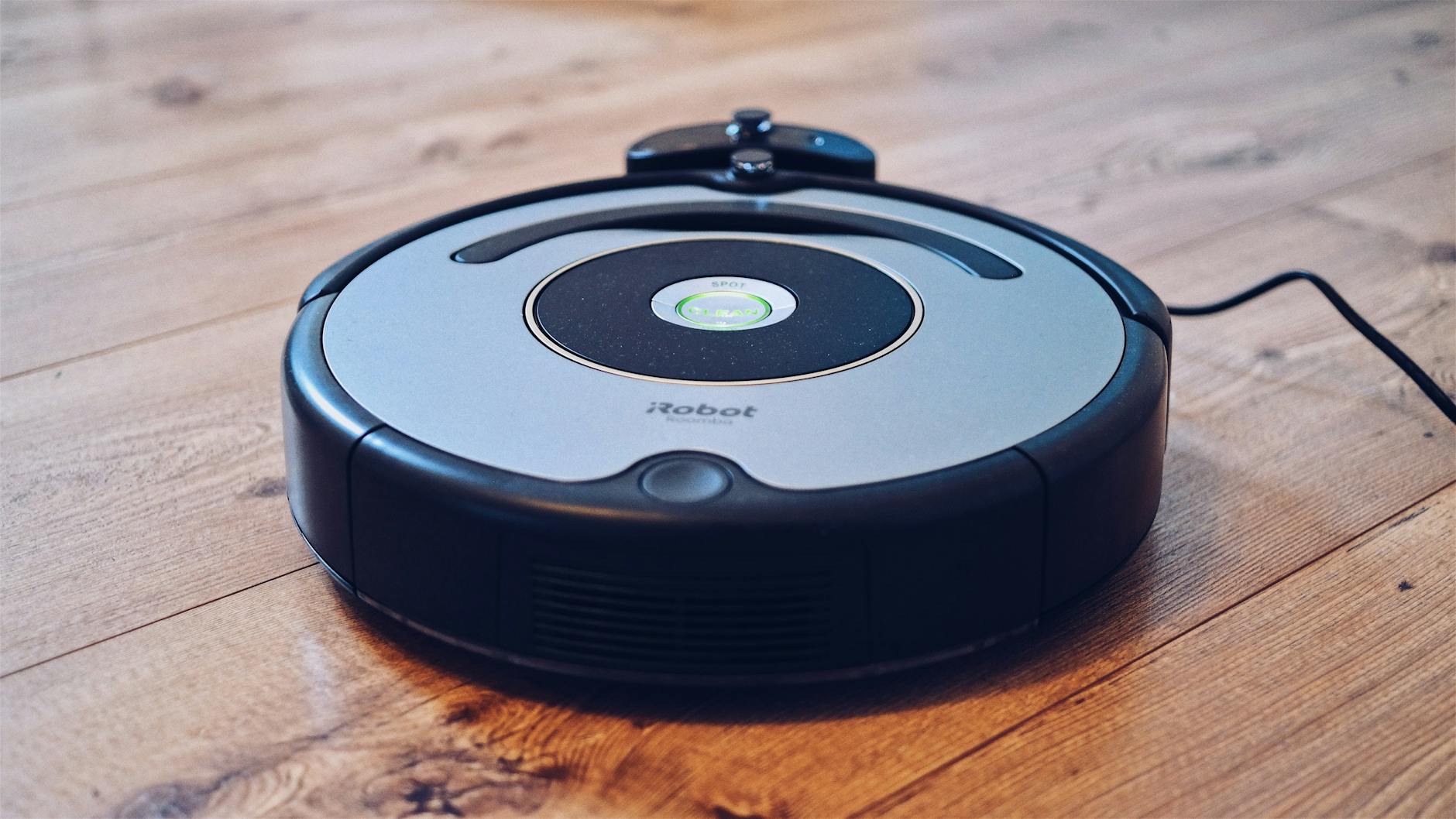
The robot vacuum market has reached a tipping point in 2026. What started as a novelty—a disc-shaped gadget that bumped randomly around your living room—has evolved into sophisticated floor-care systems that map your home, avoid obstacles with AI precision, and even wash their own mopping pads.
But here's the problem: with over 200 models on the market and prices ranging from $150 budget units to $1,700 flagship monsters, choosing the right robot vacuum has become genuinely confusing. Every manufacturer claims their model has "industry-leading" suction power and "revolutionary" navigation. Most of those claims fall apart the moment you test them on actual carpet or watch them struggle with charging cables.
I've spent the last three months analyzing independent test data from sources like Vacuum Wars (which has tested 150+ models), RTINGS, PCMag, and CNET. The results reveal a clear hierarchy—and some surprising winners outside the usual suspects like iRobot and Ecovacs.
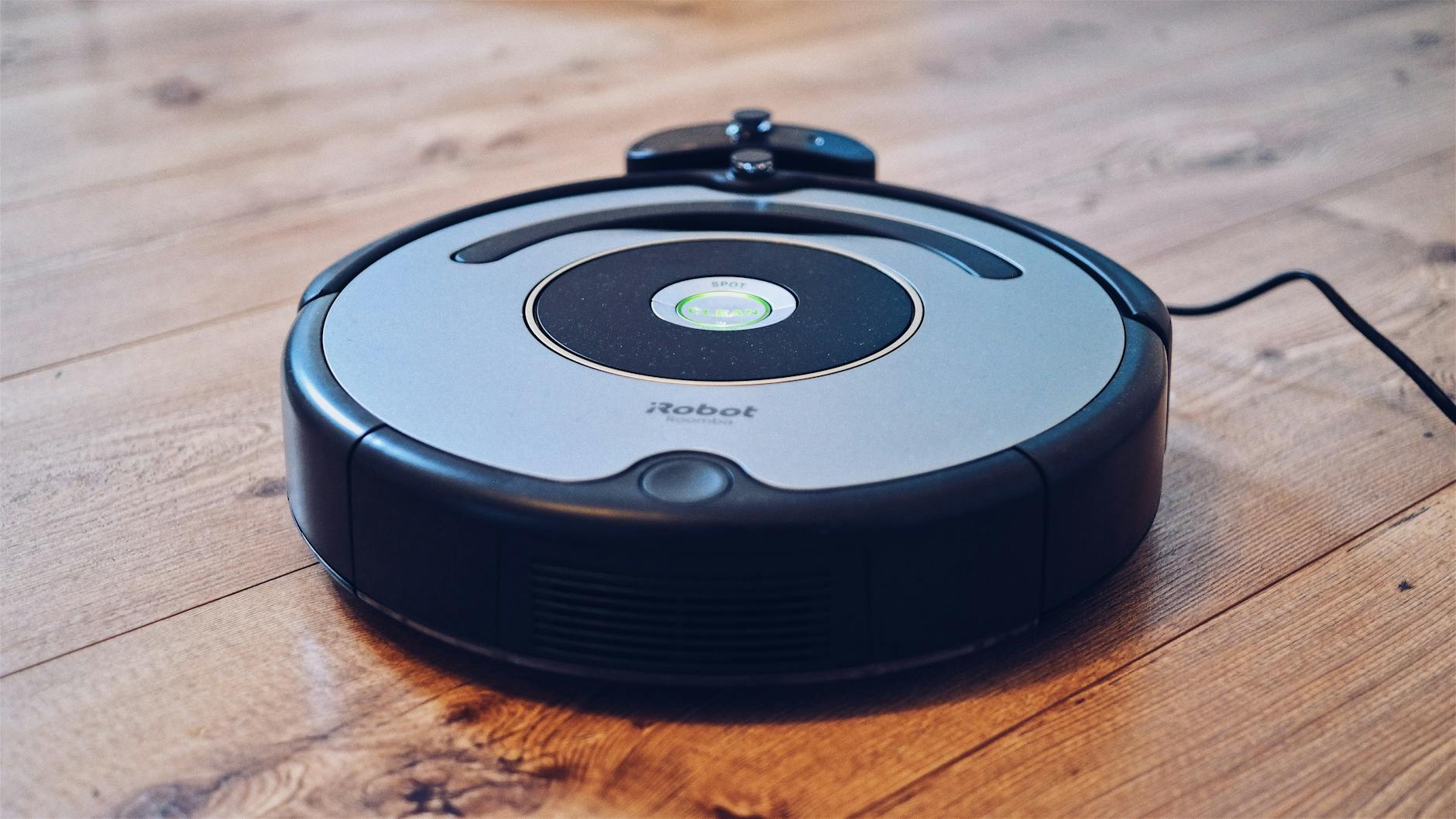
The Flagship Tier: Where $1,500 Gets You Near-Perfect Floors
If you want a robot vacuum that genuinely requires zero intervention for weeks at a time, you're looking at the $1,200–$1,700 flagship category. These aren't just vacuums with bigger batteries—they're complete floor-care systems with auto-emptying docks, self-washing mops, and AI obstacle avoidance that can distinguish between a sock and a power cord.
Dreame X60 Max Ultra Complete — The New King ($1,700)
The Dreame X60 Max Ultra Complete currently sits at the top of Vacuum Wars' rankings with a score of 4.10/5, displacing long-time champions from Ecovacs and Roborock. What makes it special isn't any single feature—it's the consistency across every metric that matters.
The X60 offers 10,000 Pa of suction power (more than four times the Roomba Combo J9+), but raw suction numbers rarely tell the whole story. Where the Dreame separates itself is in the details: an extending side brush that reaches into corners, active hair removal that prevents tangles on the brush roll, and—crucially for pet owners— ReactiveAI 2.0 obstacle avoidance that identifies pet waste and cords before running them over.
The dock is where this machine justifies its premium price. It empties the dustbin, washes and dries the mop pads, and refills the onboard water tank. Dreame claims up to 88mm threshold crossing capability, meaning it can handle transitions between rooms that stop lesser robots cold.
Who it's for: Large homes with mixed flooring, pet owners who've been burned by "smart" vacuums eating charging cables, and anyone who wants to genuinely forget about floor cleaning for weeks.
Ecovacs X12 OmniCyclone — The Roller Mop Innovator ($1,500)
Ecovacs has long dominated the high-end robot vacuum space, and the X12 OmniCyclone (score: 4.07/5) shows why. Unlike Dreame's vibrating mop pads, the X12 uses a roller mop system that continuously washes itself during cleaning. Think of it like a miniature carpet cleaner for hard floors—the roller stays wet and clean, rather than smearing dirt around after the first few minutes.
In PCMag's battery tests, the X12 lasted three full hours of continuous cleaning—longer than any competitor. It achieves this through fast-charging technology that tops off the battery between rooms, not just a bigger cell.
The trade-off? The roller system requires more dock maintenance than pad-based systems. You'll need to clean the roller chamber every few weeks to prevent odors. For some, that's a worthwhile exchange for genuinely clean hard floors.
Roborock Saros 10R — The Lidar Purist's Choice ($1,600)
RTINGS named the Roborock Saros 10R their best overall pick, specifically praising its solid-state LiDAR sensors. Unlike camera-based navigation (which struggles in low light) or basic bump sensors (which lead to chaotic cleaning patterns), the Saros 10R's LiDAR creates precise room maps and navigates with methodical efficiency.
The low profile is another differentiator. At just 3.4 inches tall, it fits under furniture that blocks the Dreame and Ecovacs models. If you have low-clearance couches or beds, this could be the deciding factor.
The Sweet Spot: $700–$1,000 Models That Punch Above Their Weight
Here's where things get interesting. The gap between $1,700 flagships and mid-range models has narrowed dramatically. Several sub-$1,000 vacuums now offer features that were exclusive to premium units just two years ago.
Dreame L50 Ultra — The Value Flagship ($950)
Scoring 4.06/5 in independent testing—just 0.04 points behind its $1,700 sibling—the L50 Ultra proves you don't need to spend flagship money for flagship performance. It keeps the extending side brush, obstacle avoidance, and self-washing dock, but drops the Matter protocol support and threshold-crossing capabilities.
For most homes under 2,500 square feet with standard flooring transitions, the L50 delivers 90% of the X60's performance at 55% of the price. That's a trade-off worth considering.
Ecovacs T90 Pro Omni — The Budget Flagship ($700)
At $700 (frequently discounted from $900), the T90 Pro Omni is the cheapest way to get Ecovacs' roller mop technology and a full-featured dock. It scored 4.04/5 in testing—statistically tied with models costing twice as much.
What you lose: slightly less suction power, no extending side brush, and more basic obstacle avoidance that might miss thin cords. What you keep: the roller mop that actually cleans hard floors instead of pushing debris around, auto-emptying, and three-hour battery life.
Real talk: Unless you have a sprawling multi-level home or serious pet hair challenges, the T90 Pro Omni handles 95% of cleaning scenarios as well as the $1,500 models.
Budget Picks Under $500: Where Compromise Becomes Noticeable
The sub-$500 robot vacuum market has improved dramatically, but be realistic about expectations. These models clean floors effectively but require more human intervention.
MOVA P10 Pro Ultra — Best Budget Option ($300–$350)
The MOVA P10 Pro Ultra (which retained its budget crown even after its Gen 2 release) delivers genuine lidar navigation and a self-emptying dock at a price point where competitors still use random-bounce navigation. Vacuum Wars scored it 4.05/5—technically beating several $800+ models.
Caveats: The mop function is basic (no self-washing), obstacle avoidance is limited to larger objects, and the app experience feels like a budget product. But for pure vacuuming performance on a schedule, it's unmatched at the price.
Eufy E25 Omni — The New Value Champion ($400–$500)
Eufy's E25 Omni recently replaced the P10 Pro Ultra as Vacuum Wars' value pick, offering stronger balance between performance and price as market conditions shifted. It adds proper mop-lifting (so carpets don't get damp) and better edge cleaning than the MOVA.
The Reality Check: What the Specs Don't Tell You
Manufacturer marketing focuses on suction power (measured in Pascals) and fancy AI features. But after analyzing 150+ models, three factors determine real-world satisfaction more than anything on the spec sheet:
1. Dock Maintenance Requirements
Self-emptying docks are life-changing—until you realize they need cleaning too. Roller mop systems like Ecovacs' require weekly chamber cleaning to prevent mold. Pad-washing systems like Dreame's and Roborock's need monthly dock filter maintenance. Budget models with no dock require manual emptying every 2–3 cleaning cycles.
The $1,500 models don't eliminate maintenance—they redistribute it. You're trading daily vacuum bin emptying for weekly dock cleaning. That's still a win, but go in with correct expectations.
2. App Reliability
Every manufacturer promises seamless app control. In practice, Ecovacs and Roborock offer the most stable experiences. Dreame's app improved significantly in late 2025 but still occasionally loses map data after firmware updates. Budget brands like MOVA and Eufy have functional apps but lack the polish and feature depth of premium options.
If you're planning heavy Home Assistant integration, Roborock and Ecovacs offer the best API access. Dreame's Matter compatibility (on X60 and L50 models) provides broader ecosystem integration but with fewer customization options.
3. Long-Term Parts Availability
Robot vacuums need regular consumable replacement—brushes, filters, mop pads, and eventually batteries. Before buying any model, verify that replacement parts are readily available on Amazon or the manufacturer's site.
Established brands (iRobot, Ecovacs, Roborock, Dreame) have robust parts ecosystems. Newer entrants like MOVA sometimes experience stock shortages. Check third-party compatibility too—generic brush rolls often cost 60% less than OEM versions.
The iRobot Problem: Is Roomba Still Relevant?
iRobot dominated the robot vacuum market for two decades. In 2026, they're struggling to justify their prices.
The Roomba Combo J9+ ($1,400) offers just 2,200 Pa of suction—less than a quarter of the Dreame X60. Its obstacle avoidance works but lacks the AI precision of newer competitors. The dock is elegant and the app is polished, but you're paying premium prices for mid-range performance.
That said, iRobot still leads in one area: repairability. Roombas are designed to be user-serviceable, with readily available parts and excellent customer support. If you prioritize longevity over raw specs, a Roomba might outlast flashier competitors.
For most buyers in 2026, though, the math favors Dreame, Ecovacs, or Roborock. The performance gap is simply too large to ignore.
Final Verdict: Which Robot Vacuum Should You Buy?
Best Overall: Dreame X60 Max Ultra Complete ($1,700) — If budget isn't a constraint and you want the most capable robot vacuum available today.
Best Value: Ecovacs T90 Pro Omni ($700) — 95% of flagship performance at 40% of the price. The roller mop technology genuinely outperforms pad-based systems on hard floors.
Best Budget: MOVA P10 Pro Ultra ($300–$350) — Lidar navigation and self-emptying at a price where competitors still use random-bounce patterns.
Best for Low Furniture: Roborock Saros 10R ($1,600) — The 3.4-inch height fits under beds and couches that block taller models.
Best for Large Homes: Ecovacs X12 OmniCyclone ($1,500) — Three-hour battery life and fast charging handle sprawling floor plans without mid-clean charging.
The robot vacuum market has matured beyond the point where any major brand sells genuinely bad products. The difference in 2026 isn't whether a $300 vacuum will clean your floors—it's how often you'll need to rescue it from a tangle of cords, empty its bin, or clean its dock. The premium you pay for flagship models buys autonomy, not just suction power.
For most households, the Ecovacs T90 Pro Omni hits the sweet spot: genuinely self-sufficient cleaning at a price that doesn't require a financing plan. Buy that, spend the savings on a second robot for your upstairs, and enjoy floors that clean themselves.
Sources
- Vacuum Wars — "Top 20 Best Robot Vacuums in 2026" (May 2026 Update)
- PCMag — "The Best Robot Vacuums We've Tested (May 2026)"
- RTINGS.com — "The 4 Best Robot Vacuums of 2026"
- CNET — "Best Robot Vacuums We've Tested in 2026"
- Smart Home Explorer — "Roomba vs Roborock vs Ecovacs: Which Robot Vacuum Brand Wins in 2026?"