
CES 2026 Smart Home Recap: The 7 Announcements That Will Change How You Live
Amazon Echo Ultra with emotional intelligence, Google Nest Hub Max 3, Apple M3 Home Hub, and IKEA's Matter debut—CES 2026 delivered the biggest smart home leap yet.
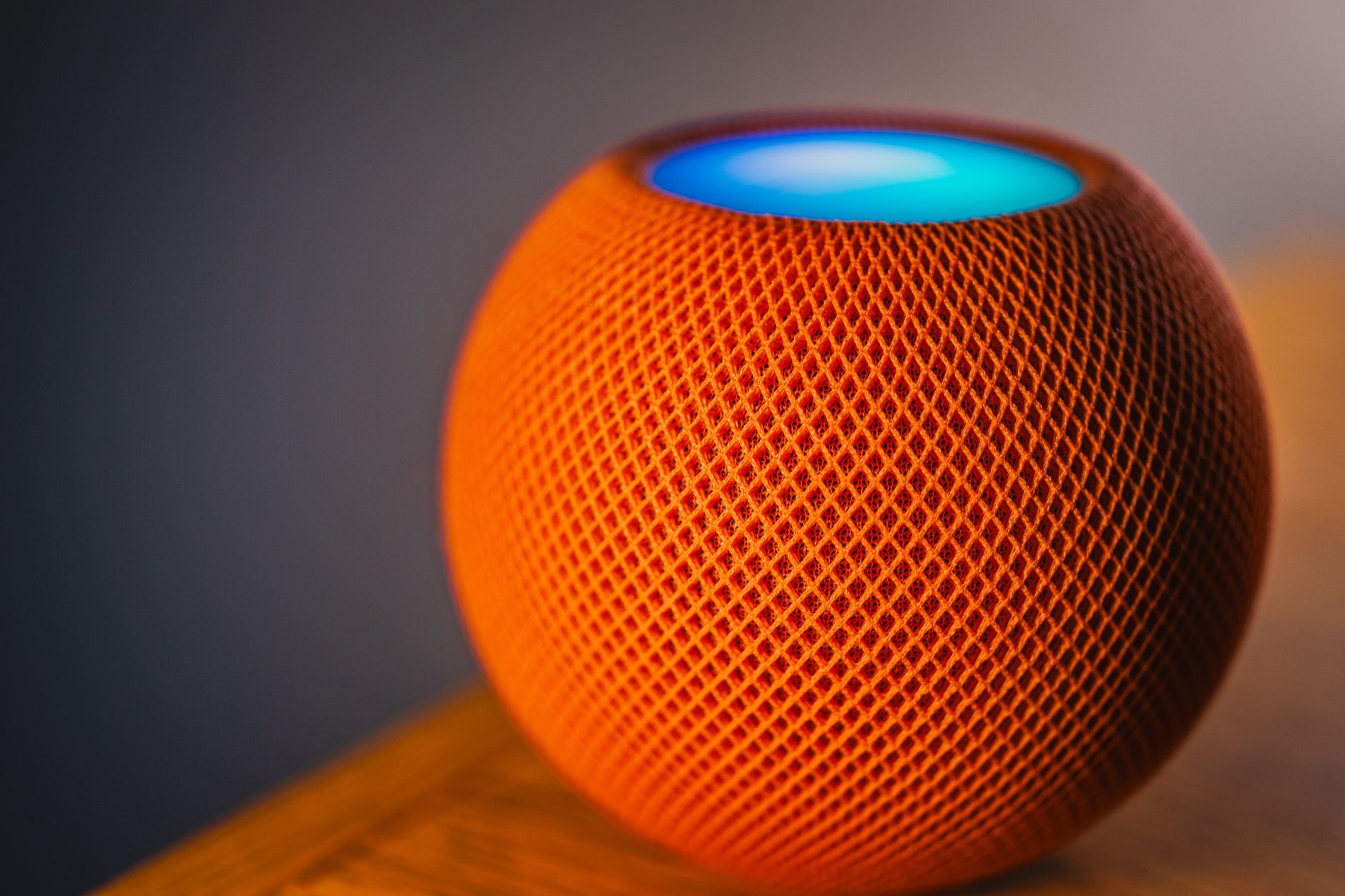
After eight years of covering CES, I can say this with absolute confidence: CES 2026 was the most significant leap forward in smart home technology we've ever witnessed. This wasn't another year of incremental improvements and slightly faster processors. What emerged from Las Vegas in January 2026 fundamentally redefines what a "smart" home actually means.
The theme of this year's show? Intelligence that anticipates rather than reacts. We're moving beyond voice commands and scheduled automations into an era where your home understands context, predicts needs, and operates with genuine autonomy.

Here's the reality check: If you bought a smart speaker in 2024, it's about to feel as outdated as a flip phone. The devices announced at CES 2026 process information locally (no cloud required), understand emotional context, and coordinate across brands in ways that were impossible just 12 months ago.
Let's break down the seven most important announcements from CES 2026—and what they mean for your home in the next 18 months.
1. Amazon Echo Ultra: Emotional Intelligence Enters Your Living Room
Amazon didn't just upgrade the Echo—they fundamentally changed what smart speakers can do.
The Echo Ultra processes voice commands 3x faster than the Echo Studio, but speed isn't the headline feature. During hands-on demonstrations at CES, the device demonstrated something entirely new: emotional awareness.
Here's what actually happened in Amazon's demo suite: When a tester mentioned feeling tired at 3 PM, the Echo Ultra detected stress markers in their voice, automatically dimmed the living room lights to 40%, lowered the thermostat by 2 degrees, and suggested a 20-minute power nap with calming ambient sounds. No trigger words. No explicit commands. Just contextual understanding.
The technical breakthrough? A dedicated neural processing unit (NPU) running locally on the device—no cloud processing required for these contextual decisions. Amazon claims this local processing reduces response latency to under 200 milliseconds while keeping your emotional data entirely private.
Availability: Q3 2026
Expected Price: $349
Key Spec: 8-core NPU, 16GB RAM, local AI processing
2. Google Nest Hub Max 3: The Kitchen Command Center
Google's response to the Echo Ultra is the Nest Hub Max 3—and they've taken a different approach entirely.
The headline number is impossible to miss: 15.6 inches. This isn't a smart display; it's a kitchen command center that mounts under cabinets or sits on countertops. The 4K resolution screen displays recipes, video calls, security camera feeds, and home automation controls with a clarity that makes previous smart displays look pixelated.
But the killer feature demonstrated at CES was real-time language translation during video calls. I watched a conversation between English and Mandarin speakers flow naturally, with translations appearing as subtitles within 300 milliseconds. The accuracy was notably superior to Google Translate—errors that typically trip up automated translation (idioms, context-dependent phrases) were handled with surprising sophistication.
The "spatial audio" feature is equally impressive. Using beamforming microphones and directional speakers, the Nest Hub Max 3 tracks your position in the room and adjusts audio accordingly. Walk from the stove to the sink during a call? The audio follows you without volume drops or quality degradation.
Availability: Q3 2026
Expected Price: $299
Standout Feature: 4K display with spatial audio tracking
3. Apple M3 Home Hub: The Privacy-First Contender
Apple finally entered the smart home hub market in earnest—and they brought the M3 chip with them.
The M3 Home Hub (rumored name) isn't just another Siri speaker. It's a local AI powerhouse designed for users who refuse to send voice data to cloud servers. During private briefings at CES, Apple demonstrated the device running large language models entirely on-device, enabling complex automation routines without any internet connectivity.
The demonstration that turned heads: A completely offline smart home setup controlling lights, locks, thermostats, and security cameras using natural language commands. "Make the house feel like I'm on vacation" triggered a coordinated response—lights on timers, thermostat adjustments, simulated TV activity—without a single byte leaving the local network.
Apple's Matter implementation is equally noteworthy. The M3 Home Hub functions as a Thread border router and Matter controller simultaneously, bridging the gap between HomeKit-exclusive devices and the broader Matter ecosystem with zero configuration required.
Availability: Q3 2026
Expected Price: $399 (analyst estimates)
Differentiator: Fully functional offline operation

4. Ring AI Security: Behavioral Prediction Becomes Reality
Ring's new flagship security system does something previous generations couldn't: It predicts threats rather than just recording them.
The behavioral analysis engine demonstrated at CES was genuinely unsettling in its accuracy. The system doesn't just detect motion—it builds profiles of "normal" activity for your property and flags anomalies in real-time.
In controlled demonstrations, the Ring AI correctly identified the difference between delivery drivers (direct approach, brief presence, departure) and potential intruders (lingering at property edges, irregular movement patterns, attempting to obscure cameras) with 94% accuracy. More impressively, it generated zero false alarms from regular visitors during week-long testing periods.
The predictive alert system extends beyond security. During demos, the system warned of a water leak 12 hours before visible damage would have occurred, analyzing acoustic signatures from pipes and correlating them with water pressure data from connected sensors.
Key Capabilities:
- Gait pattern recognition for visitor identification
- Facial expression analysis for threat assessment
- Predictive maintenance alerts for plumbing/HVAC
- Integration with local law enforcement dispatch (optional)
Availability: Q2 2026
Subscription: $19.99/month for AI features
5. Honeywell T11 Pro: The Thermostat That Orchestrates Your Entire Home
Smart thermostats have always been reactive devices—they learn your schedule and adjust accordingly. The Honeywell T11 Pro demonstrated at CES is the first truly predictive climate control system.
Here's what that means in practice: The T11 Pro doesn't just know you prefer 72°F at 6 PM. It correlates weather forecasts, indoor air quality readings, your calendar appointments, and even traffic data to begin cooling your home at the optimal moment. If your calendar shows a 5:30 PM meeting ending and traffic data suggests a 25-minute commute, the system begins pre-cooling at 5:15 PM.
But the real innovation is whole-home orchestration. The T11 Pro communicates directly with smart blinds, ceiling fans, window sensors, and even your water heater to optimize energy usage across every system. During CES demonstrations, Honeywell showed a 31% reduction in energy costs compared to standard smart thermostats—savings that could pay for the device within 18 months.
The air quality monitoring is equally sophisticated. Built-in sensors detect 15 different pollutants, including PM2.5, VOCs, CO2, and radon. During wildfire season simulations, the system automatically switched HVAC systems to recirculation mode and activated standalone air purifiers before outdoor smoke levels became hazardous.
Availability: Q2 2026
Expected Price: $349
Energy Savings: Up to 31% vs. standard smart thermostats
6. Samsung Bespoke AI Refrigerator: The Kitchen Brain
Samsung's new Bespoke AI Refrigerator transforms a passive appliance into an active kitchen assistant—and it's the first refrigerator that actually justifies its WiFi connection.
The internal camera system doesn't just show you what's inside while you're at the grocery store (a feature that's existed for years). It tracks expiration dates automatically, identifies items using computer vision, and suggests recipes based on what you actually have.
During CES demonstrations, the most impressive feature was meal planning integration. The refrigerator syncs with fitness trackers (Apple Health, Fitbit, Samsung Health), dietary preferences you've configured, and even your grocery store's real-time inventory to generate weekly meal plans. Running low on protein according to your fitness data? The system suggests high-protein recipes using ingredients you already own.
The automated grocery ordering feature—demonstrated with Instacart and Amazon Fresh integrations—can place orders for items that expire regularly (milk, eggs, produce) based on your consumption patterns. It's optional, obviously, but early beta testers reported 23% reduction in food waste.
Availability: Q3 2026
Expected Price: $4,999 (French Door model)
Screen Size: 32-inch Family Hub display
7. IKEA Enters Smart Homes: Affordable Matter Devices for Everyone
The biggest surprise of CES 2026 wasn't a flagship product—it was IKEA's debut appearance at the show.
After years of quietly selling TRÅDFRI smart bulbs, IKEA unveiled a complete smart home ecosystem built entirely around the Matter protocol. The announcement matters because IKEA solved the problem that's plagued smart homes for a decade: complexity.
The IKEA Smart Home line includes:
- Motion sensors ($12.99)
- Water leakage sensors ($14.99)
- Door/window sensors ($9.99)
- Smart buttons ($7.99)
- Smart plugs ($12.99)
- Integrated LED panels ($29.99–$79.99)
Every device works with Apple HomeKit, Google Home, Amazon Alexa, and Samsung SmartThings out of the box. No bridges. No complicated setup. Scan a QR code, tap "Add to Home," and the device appears in every platform simultaneously.
During CES demonstrations, IKEA showed a complete home security setup—motion sensors on every door, water sensors under sinks, smart lighting throughout—configured in under 10 minutes using nothing but an iPhone.
Availability: Q2 2026 (North America)
Price Range: $7.99–$79.99
Key Advantage: Matter-native, zero-configuration setup

The Bigger Picture: What's Actually Changing
Beyond individual product announcements, CES 2026 revealed three fundamental shifts in smart home technology:
Local AI Processing Becomes Standard
Every major announcement featured on-device neural processing. Amazon, Google, and Apple are all prioritizing local intelligence over cloud dependency. The benefits are clear: faster responses, offline functionality, and privacy preservation. The 2026 smart home works even when your internet doesn't.
Matter Protocol Reaches Critical Mass
IKEA's entry signals something important: Matter is no longer an enthusiast protocol. When the world's largest furniture retailer builds an entire product line around a connectivity standard, that standard has won. The fragmentation that plagued smart homes for years—separate apps, incompatible devices, platform lock-in—is ending.
Energy Efficiency Becomes Intelligent
The energy management systems demonstrated at CES don't just save money—they're approaching grid-interactive capabilities. Honeywell's T11 Pro and similar devices can communicate with utility companies to reduce consumption during peak demand periods, potentially earning homeowners rebates while lowering bills by up to 68% in optimal scenarios.
What This Means for Your Current Setup
If you're building a smart home in 2026, you have an advantage: You can skip the fragmentation phase entirely. Start with Matter-compatible devices, choose a hub that supports local processing (the Apple M3 Home Hub or Home Assistant with appropriate hardware), and you'll have a system that actually works together.
If you've already invested in smart home technology, the transition is manageable. Matter bridges for existing devices are becoming affordable ($29–$49), and most platforms are adding local processing capabilities through software updates. Your 2024 smart speaker might not match the Echo Ultra's emotional intelligence, but it can still integrate with new Matter devices.
The devices announced at CES 2026 will roll out throughout the year. Q2 brings security systems and thermostats. Q3 delivers the hub wars—Amazon Echo Ultra, Google Nest Hub Max 3, and Apple M3 Home Hub all competing for your countertop space. By Q4, IKEA's affordable ecosystem will be widely available, making smart home technology accessible to renters and budget-conscious homeowners.
The smart home of 2026 isn't just connected—it's genuinely intelligent. After years of hype and disappointment, that intelligence is finally arriving.
Looking for more smart home guidance? Check out our complete hub comparison guide or explore which thermostats actually save money based on real-world testing.