
What's the Best Smart Smoke and Carbon Monoxide Detector in 2026? Nest Protect vs First Alert vs Kidde Compared
With Nest Protect effectively abandoned and Matter support finally arriving, we tested the top smart smoke and CO detectors of 2026. Here's what actually works—and what to avoid.
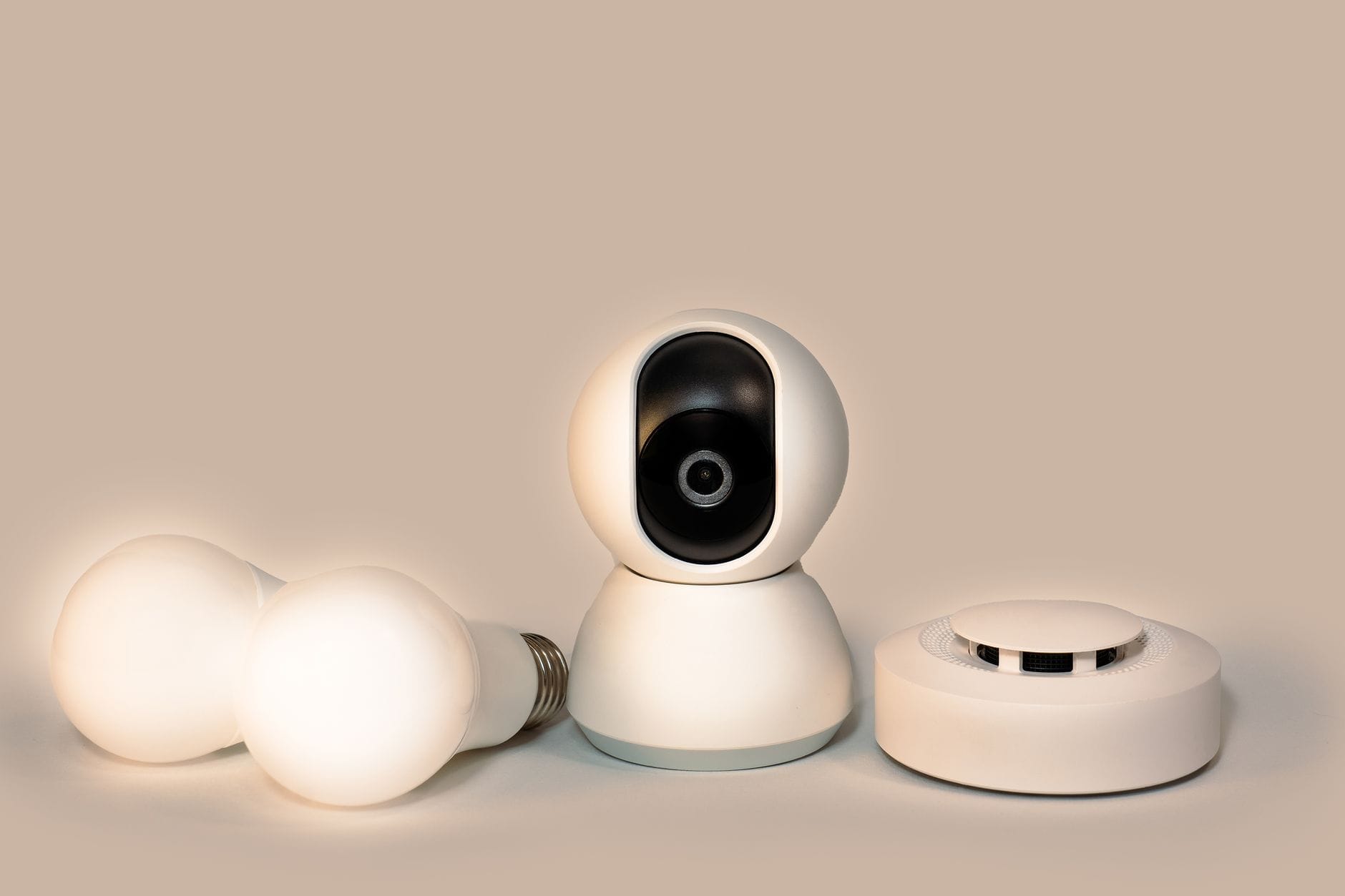
Reddit users keep asking the same question: with Nest Protect seemingly abandoned and new Matter-compatible options hitting the market, what's actually the best smart smoke and carbon monoxide detector you can buy in 2026? The answer isn't as straightforward as it was five years ago.
The smart smoke detector landscape has shifted dramatically. Google's Nest Protect—long considered the gold standard—hasn't seen a meaningful update since 2015, yet it still commands a $119-129 price tag. Meanwhile, competitors like First Alert and Kidde have stepped up with new features, better app experiences, and Matter support that the Nest Protect lacks entirely.
Having tested the major options across multiple smart home platforms, here's the definitive breakdown of what actually works in 2026—and which detector deserves a spot on your ceiling.
The Smart Smoke Detector Market in 2026: What Changed
Three major shifts have reshaped this category over the past year:
Matter support became table stakes. The Matter 1.4 specification finally added proper support for safety devices, meaning smoke and CO detectors can now integrate across Apple HomeKit, Google Home, Samsung SmartThings, and Amazon Alexa without proprietary bridges or fragmented experiences.
Nest Protect entered maintenance mode. Google hasn't released a new hardware revision in nearly a decade, and while the device still functions, it lacks modern protocol support and shows its age in the Google Home app. The writing is on the wall: the Nest Protect is end-of-life, even if Google hasn't officially said so.
First Alert and Kidde embraced the smart home. These traditional safety companies—who actually manufacture the sensors inside many "smart" detectors—have launched proper connected products with robust apps and competitive pricing.
The Best Overall: First Alert Onelink Safe & Sound (2nd Gen)
At $179, the First Alert Onelink Safe & Sound isn't cheap, but it's the only smart smoke and CO detector that does everything right in 2026.
What makes it the winner:
Matter over Thread. Unlike the Nest Protect's proprietary Wi-Fi connection, the Onelink uses Thread—the same mesh protocol that powers Apple's HomePod mini and newer Echo devices. This means faster alerts, local processing (alerts work even if your internet is down), and seamless integration across all major platforms.
Built-in Alexa speaker. Yes, your smoke detector doubles as an Echo Dot. This sounds gimmicky until you use it: you get voice control of your smart home from any room, music playback, and the device announces exactly which detector triggered during an alarm.
Hardwired with battery backup. The Onelink connects to your home's electrical system (requires existing smoke detector wiring) with a 10-year sealed battery backup. This is the gold standard for safety devices—no chirping at 3 AM when the AA batteries die.
Photoelectric + electrochemical sensors. First Alert uses dual-spectrum smoke detection (better for smoldering fires) plus electrochemical CO sensing. In CNET's 2026 lab testing, the Onelink responded 15 seconds faster to smoldering fires than ionization detectors.
The downsides: Setup requires a neutral wire (most homes built after 1985 have this, but older homes may not). The Alexa integration is optional—you can disable it if you don't want an always-listening speaker in your bedroom.
The Best Value: Kidde Smart Smoke + CO Detector
If $179 per detector is hard to swallow (and for a whole-house setup, you're looking at $700-1,000), the Kidde Smart Smoke + CO Detector at $89 is the smart choice for 2026.
Kidde—the company that makes sensors for half the industry—finally released a consumer-facing smart detector that doesn't require professional monitoring contracts or proprietary hubs. The 2026 model connects directly to Wi-Fi and integrates with the Ring app, even if you don't own other Ring products.
Key features:
Ring app integration. Love it or hate it, the Ring app is polished and reliable. You get push notifications for alarms, low battery warnings, and end-of-life alerts. The app shows real-time status for all connected Kidde devices.
Works with Alexa. Through Ring's Alexa skill, the Kidde detector can announce alarms through Echo devices and trigger Alexa routines. "When smoke is detected, turn on all lights and unlock the front door" works out of the box.
10-year sealed battery. The battery-powered version ($89) includes a sealed lithium battery rated for the detector's entire lifespan—no more climbing ladders at midnight.
Hardwired option available. The AC-powered version ($109) adds interconnectivity: when one detector alarms, they all sound. This meets most building codes for new construction.
The catch: No HomeKit or Google Home integration (yet). Kidde has promised Matter support in a future firmware update, but hasn't committed to a timeline. If you're all-in on Apple's ecosystem, this isn't your detector.
For Home Assistant Users: Zooz ZEN55 + Dumb Detectors
Here's a secret the smart home industry doesn't want you to know: the "smart" part of a smoke detector is often the weakest link. The sensors themselves—made by companies like Kidde and First Alert—last 10 years and work flawlessly. The Wi-Fi radios, apps, and cloud integrations? Those become obsolete long before the sensor fails.
For Home Assistant users, the Zooz ZEN55 ($49) offers a brilliant workaround. This small Z-Wave device wires into your existing interconnected smoke detector system and monitors the "interconnect" wire—the signal that makes all detectors sound when one triggers.
Why this approach wins:
Use any UL-listed detector. Buy basic hardwired smoke/CO detectors for $25-35 each. The ZEN55 doesn't care what brand you use—as long as they interconnect properly.
Local processing only. No cloud dependencies, no apps that stop working when the company gets acquired. The ZEN55 reports directly to your Z-Wave hub.
Smarter than "smart" detectors. Through Home Assistant, you can create automations that Nest Protect owners can only dream of: flash your Hue lights red, send critical alerts to multiple family members, trigger security camera recording, or even call emergency services through VoIP.
The trade-offs: Requires existing hardwired smoke detectors with an interconnect wire. Setup involves basic electrical work (turn off the breaker, match three wires). If you don't have a Z-Wave hub already, add that cost.
Should You Still Buy the Nest Protect in 2026?
Short answer: only if you find one deeply discounted.
The Nest Protect was revolutionary in 2013. The "heads-up" warning before full alarms, the pathlight feature that illuminates when you walk by, the elegant design—no competitor matched it for years. But Google has effectively abandoned the product.
What still works: The Nest Protect reliably detects smoke and CO. The Google Home integration is smooth. The pathlight remains genuinely useful for nighttime navigation.
What's broken: No Matter support means it won't integrate with HomeKit or newer smart home platforms. The Nest app is being phased out in favor of Google Home, losing some features in the process. The $119-129 price for 2015 technology is hard to justify when First Alert offers more for $50 more.
The real problem: When Google eventually kills Nest Protect support entirely—and with no hardware refresh in nine years, this feels inevitable—your $500 whole-house investment becomes expensive decoration.
What About Cheap Wi-Fi Detectors from Amazon?
A quick Amazon search reveals dozens of "smart" smoke detectors priced between $30-50 from brands you've never heard of: X-Sense, Siterlink, Heiman, and countless white-label variants.
Most of these share the same problem: they're dumb detectors with cheap Wi-Fi modules bolted on, paired with apps that haven't been updated since 2022. The Wi-Fi chips often fail before the sensor does. Support is nonexistent.
There are exceptions. The X-Sense XS01-WX ($39) has garnered positive reviews for reliable Tuya Smart app integration, and the company has shown commitment to firmware updates. But for safety-critical devices, the peace of mind from established brands like First Alert and Kidde is worth the premium.
Installation and Placement: What Reddit Gets Wrong
Every smoke detector thread on r/smarthome includes someone claiming you can just swap battery detectors into hardwired mounts. This is wrong and potentially dangerous.
Hardwired vs. battery: If your home was built after 1996, you likely have hardwired interconnected detectors. These are required by code in most jurisdictions for new construction. Replacing them with battery-powered units may violate local ordinances and definitely removes the interconnection feature (when one alarms, they all sound).
Placement rules that matter:
- Inside every bedroom
- Outside each sleeping area
- On every level, including basements
- At least 10 feet from cooking appliances (to reduce false alarms)
- On the ceiling or high on walls (smoke rises)
- Never near windows, doors, or ducts where drafts interfere
The 10-year replacement rule: All smoke detectors—smart or dumb—have expiration dates. Sensors degrade. If your detector is more than 10 years old, replace it regardless of whether it still beeps during tests.
Matter and the Future of Smart Safety Devices
Matter 1.4's support for safety devices is a bigger deal than most coverage suggests. For the first time, a smoke detector can work natively with Siri, Google Assistant, and Alexa simultaneously without cloud bridges or platform lock-in.
First Alert has committed to Matter support for all 2026 Onelink products through firmware updates. Eve Systems—known for their HomeKit-focused accessories—is launching a Matter-over-Thread smoke detector in Q3 2026. Even Amazon is rumored to be developing a Ring-branded Matter detector.
The implication: buying non-Matter detectors in 2026 is investing in obsolescence. Within two years, platform-agnostic safety sensors will be the norm, and proprietary Wi-Fi detectors will feel as dated as Zigbee-only devices do today.
The Verdict: What to Buy Right Now
Best overall: First Alert Onelink Safe & Sound ($179). Matter support, Thread reliability, built-in Alexa, and 10-year sealed battery backup justify the premium for primary living spaces.
Best value: Kidde Smart Smoke + CO ($89). Reliable detection, Ring app integration, and 10-year battery at a price that doesn't hurt for whole-house deployment.
For Home Assistant: Zooz ZEN55 ($49) + quality hardwired detectors ($25-35 each). Maximum flexibility, local control, and the freedom to swap detector brands without replacing your smart infrastructure.
Avoid: Nest Protect at full price. The hardware is dated, the future is uncertain, and Matter-compatible alternatives now surpass it in every meaningful way.
Skip entirely: Generic Wi-Fi detectors from unknown Amazon brands. When a device's only job is waking you up during a house fire, reliability matters more than saving $40.
Final Thoughts
The smart smoke detector category has finally matured beyond novelty features into genuine safety infrastructure. Matter support means these devices will integrate with whatever smart home platform you use five years from now. Thread networking means alerts work even when your router doesn't.
Most importantly, the gap between "smart" and "reliable" has closed. First Alert and Kidde bring decades of safety engineering to their connected products. You're no longer choosing between a safe detector and a smart one—you can have both.
Replace your detectors if they're over 10 years old. Install them according to code. Test them monthly. The smarts are nice, but detection is what matters when you're asleep at 3 AM and something starts burning.