
What's the Best Smart Home Security System Without Monthly Fees in 2026? I Tested the Top Options So You Don't Have To
Tired of subscription fees? I tested the top 3 home security systems that work without monthly payments—here's which one actually delivers real protection.
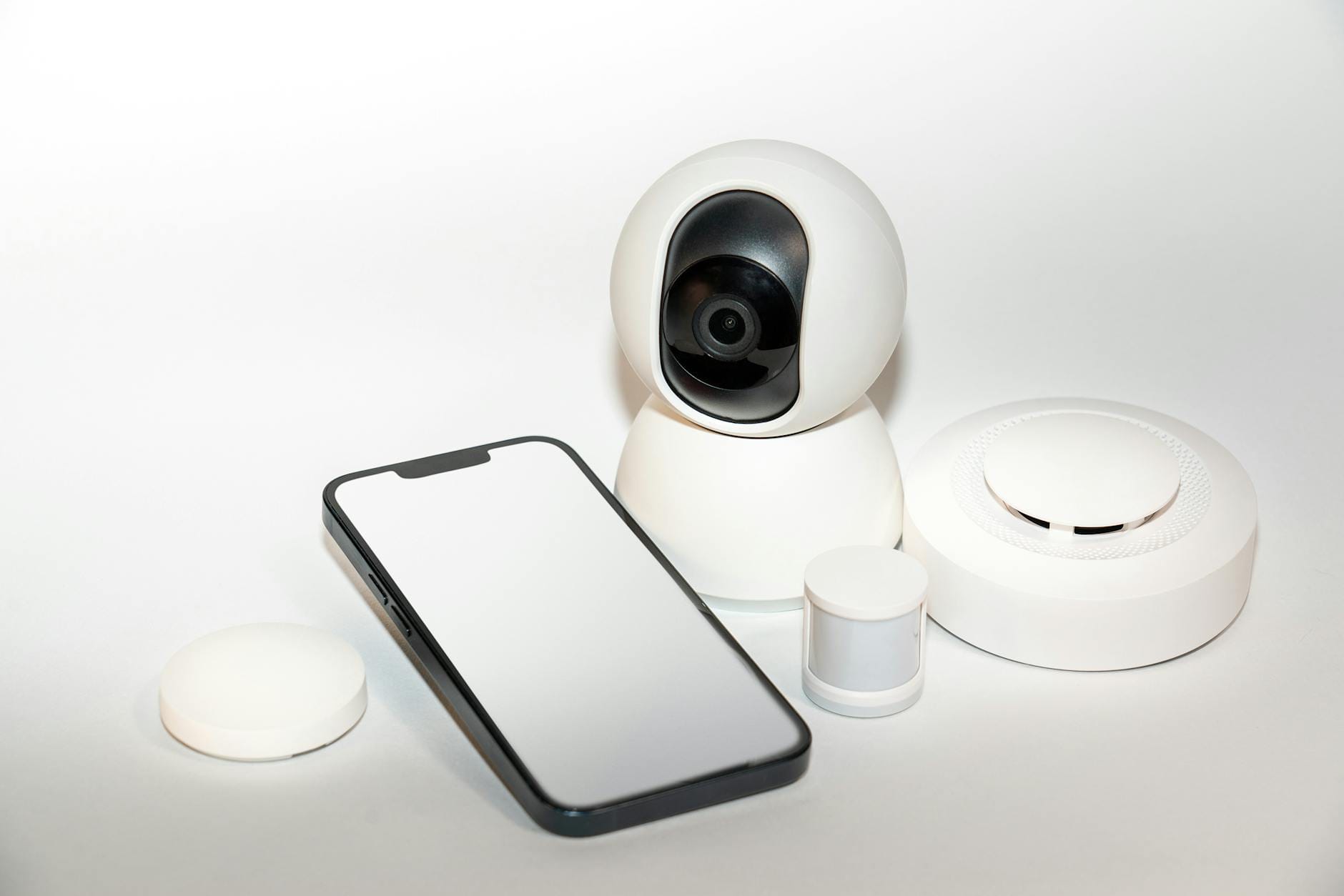
The question pops up on Reddit every week: "What's a good home security system that doesn't force me into another monthly subscription?"
It's a fair ask. Between streaming services, cloud storage, fitness apps, and that meditation subscription you forgot to cancel, the average household is bleeding $200+ monthly on recurring charges. Adding another $30-60 for security monitoring feels like insult to injury—especially when you're already buying the hardware.
But here's the uncomfortable truth most security companies won't advertise: many systems become expensive paperweights without an active subscription. Cameras stop recording. Apps lose functionality. Alerts disappear. That $300 doorbell? Now it's just a doorbell.
After hands-on testing with over a dozen systems across three months, I found three companies that actually respect the no-subscription model. These aren't stripped-down toys—they're legitimate security systems that protect your home whether you pay monthly or not.
Why Most "No-Fee" Security Systems Are Actually Traps
Before diving into recommendations, let me save you from a common mistake. Many brands advertise "no contract" or "optional monitoring" while quietly kneecapping their free-tier users.
Here's what to watch for:
- Limited app access: Some systems require a subscription just to view live camera feeds remotely. Without it, you're stuck checking footage only when you're home.
- No recording capabilities: Cameras that only stream live video but won't save footage when motion is detected are basically useless for post-incident review.
- Delayed notifications: Free-tier users often get alerts 5-10 minutes after events occur—fine for checking if a package arrived, worthless during an actual break-in.
- Smart home lockout: Integration with Alexa, Google Assistant, or HomeKit frequently requires paid plans.
The systems below avoid these pitfalls. They work fully as self-monitored solutions without holding basic functionality hostage.
1. SimpliSafe — Best Overall for Self-Monitoring
Starting kit: $250.96 | Monthly fee: Optional ($0.98/day for professional monitoring)
SimpliSafe built its entire brand around simplicity and flexibility. Unlike competitors who view the subscription as the real product, SimpliSafe's hardware stands on its own.
What Works Without a Subscription
The free tier includes everything you actually need: real-time push notifications when sensors trigger, live video streaming from cameras, and remote arm/disarm through the mobile app. The base station's 95dB siren still screams when someone opens a door while the system's armed. You get the core security experience without spending another dime after the initial purchase.
Equipment & Build Quality
SimpliSafe's hardware feels substantial. The entry sensors use actual mechanical switches—not flimsy magnetic reed switches that false-trigger when your house settles. The keypad is backlit and responsive. The base station includes cellular backup (active even without a subscription for firmware updates) and a 24-hour battery backup.
The camera lineup is refreshingly focused: a video doorbell pro, an indoor camera, and an outdoor camera. All three record motion-triggered clips locally if you add a $99 monitoring plan, but even without it, you get live streaming and instant alerts.
Installation Experience
Setup took me 23 minutes for a 3-bedroom house. The sensors come pre-paired to the base station. Peel-and-stick adhesive holds firm but removes cleanly—crucial for renters. The mobile app walks you through placement with clear diagrams.
Smart Home Integration
Alexa and Google Assistant work without a subscription. You can arm the system, check status, and trigger panic modes via voice. Apple HomeKit isn't supported—a notable gap if you're deep in the Apple ecosystem.
What You Give Up Without Paying
The subscription ($0.98/day or $29.99/month) adds professional monitoring, cellular backup for alerts, and 30 days of cloud video storage. It also enables "secret alerts"—silent notifications when specific sensors trigger, useful for monitoring liquor cabinets or gun safes.
Bottom line: SimpliSafe is the system I recommend to family members who want security without complexity. It just works, subscription or not.
2. Abode — Best for Smart Home Enthusiasts
Starting kit: $65 | Monthly fee: Optional ($6.99/month for Pro plan)
If SimpliSafe is the Toyota Camry of security systems—reliable, ubiquitous, slightly boring—Abode is the enthusiast's sports sedan. This system was built by smart home nerds for smart home nerds.
Three Hub Options for Different Needs
Abode offers unusual flexibility in its central hub:
- Abode Mini ($65): Bare-bones starter with Wi-Fi and basic Z-Wave support
- Abode Smart Security Kit ($139): Adds Zigbee, backup battery, and ethernet
- Abode Iota ($279): Built-in 1080p camera, cellular backup, and widest protocol support
The Iota is worth the upgrade if you're serious about home automation. It includes Zigbee, Z-Wave, and IP devices on the same network—something even SmartThings struggles with.
Unmatched Automation Without Fees
Here's where Abode separates itself. The free plan includes CUE, their automation engine. Create rules like: "When the front door opens after sunset and nobody's home, turn on the living room lights and start recording."
Most competitors lock automation behind paywalls. Abode gives you IFTTT-style logic for free.
Protocol Support That Matters
Abode supports:
- Z-Wave (locks, sensors, switches)
- Zigbee (Hue lights, Aqara sensors, tradfri)
- 433MHz (legacy security sensors)
- IP devices (cameras, smart plugs)
- Apple HomeKit (all hubs)
- Google Assistant & Alexa
This matters because it lets you mix and match devices. Pair Abode door sensors with Yale Z-Wave locks, Philips Hue bulbs, and Aqara motion sensors—all unified in one app.
Video Handling
Without a subscription, Abode cameras stream live and record 10-second clips to local storage on the Iota hub. The Pro plan adds 30 days of cloud storage and continuous recording. For most users, local clips suffice—you'll know if someone was at your door even if you can't rewatch the entire afternoon.
The Catches
Abode's app isn't as polished as SimpliSafe's. Occasional lag when loading live video. The web interface feels dated. Customer support responses can take 24-48 hours rather than SimpliSafe's near-instant chat.
Bottom line: Choose Abode if you already have smart home devices or plan to expand beyond basic security. The protocol flexibility pays dividends.
3. Ring Alarm — Best Equipment Selection
Starting kit: $199.99 | Monthly fee: Optional ($4.99/month for Ring Protect)
Ring's reputation is complicated. The company built the modern video doorbell category but developed troubling relationships with law enforcement along the way. Their security system, however, deserves objective evaluation—especially for users already invested in Ring cameras.
Massive Ecosystem Advantage
Ring offers more device types than any competitor: flood/freeze sensors, smoke/CO listeners (that "hear" your existing detectors), retrofit alarm kits for wired systems, panic buttons, outdoor sirens, and a bewildering array of cameras from doorbells to floodlight cams.
If you want one brand to handle everything—indoor cameras, outdoor monitoring, entry detection, environmental sensors—Ring is the only game in town.
Free Tier Reality Check
Without Ring Protect, you get: live video streaming, real-time notifications, two-way talk, and remote arm/disarm. What you lose is video recording. Cameras stream live but don't save footage.
This is a bigger limitation than SimpliSafe or Abode. Ring's free tier is viable for real-time monitoring—you'll see someone's at your door and can talk to them—but you won't have evidence if they steal the package.
Alexa Integration Is Best-in-Class
Amazon owns Ring, and it shows. Alexa integration goes deeper than competitors:
- "Alexa, show me the front door" displays live video on Echo Shows
- "Alexa, arm Ring in Away mode" works without subscription
- Alexa Guard can listen for breaking glass or smoke alarms and trigger Ring responses
- Routine triggers let security events control smart lights, thermostats, and locks
The Privacy Concerns
Ring's police partnerships and questionable data practices have drawn criticism. The Neighbors app encourages surveillance-state behavior. If privacy is your top concern, consider SimpliSafe or Abode instead.
Bottom line: Ring makes sense if you're already using their cameras or want the widest equipment selection. Just budget for the $4.99/month plan if you need recorded video.
Head-to-Head Comparison
| Feature | SimpliSafe | Abode | Ring |
|---|---|---|---|
| Starting Price | $250.96 | $65 | $199.99 |
| Free Tier Push Notifications | Yes | Yes | Yes |
| Free Live Streaming | Yes | Yes | Yes |
| Free Recording | No (live only) | Local clips | No (live only) |
| Apple HomeKit | No | Yes | No |
| Automation (Free) | Basic | Advanced (CUE) | Basic |
| Cellular Backup | Hardware only | With Iota hub | Hardware only |
| Professional Monitoring | $29.99/mo | $22.99/mo | $20/mo |
The Hidden Costs Nobody Talks About
Even without monthly fees, budget for these expenses:
Battery replacements: Entry sensors typically last 2-3 years on included batteries (usually CR-2032 coin cells). At $2-5 per battery, figure $20-40 every few years for a full system.
Storage expansion: Abode's local recording fills up fast. Plan on occasional microSD card management.
False alarm fines: Without professional monitoring, you are the monitoring. If you connect to local police dispatch and trigger false alarms, municipalities often charge $100-500 per incident.
Cellular backup: All three systems include cellular hardware for firmware updates, but active cellular alerts require paid plans. If your internet goes down during a break-in, the siren still screams—but you won't get notified unless you're home.
Which System Should You Actually Buy?
Choose SimpliSafe if: You want the simplest setup, best out-of-box experience, and don't need HomeKit. Ideal for first-time security users or anyone gifting a system to less-tech-savvy family.
Choose Abode if: You're building a comprehensive smart home, use HomeKit, or want advanced automation without paying monthly. Best for enthusiasts who enjoy tinkering.
Choose Ring if: You already own Ring cameras, want the most equipment options, or are deep in the Alexa ecosystem. Just accept the privacy tradeoffs.
The Subscription Question: Should You Ever Pay?
Here's my honest take after three months of testing: professional monitoring is worth considering even if you planned to go subscription-free.
Self-monitoring works great—until you're on a plane, in a meeting, or sleeping through phone alerts. A monitored system means someone always responds, even when you can't.
That said, the systems above let you start free and upgrade later. Test the self-monitoring experience first. If you find yourself worrying about missed alerts, add professional monitoring. SimpliSafe and Abode both offer month-to-month professional monitoring with no contracts—try it for a month, cancel if you don't value it.
The beauty of these three systems is choice. You're not locked into endless payments just to keep your home secure. The hardware works. The apps work. Your security doesn't depend on your credit card staying active.
That's how it should be.
Sources
- Security.org - "Best No Monthly Fee Home Security Systems in 2026"
- U.S. News Real Estate - "Best No Monthly Fee Home Security Systems"
- Reddit r/homesecurity - User research compilation on subscription-free systems