What's the Best Smart Garage Door Opener in 2026? A Complete Guide From $30 Retrofits to $400 Complete Systems
Smart garage door openers eliminate daily anxiety about whether you left the door open. I tested 5 top options from $30 retrofits to $400 complete systems to find the best picks for HomeKit, Alexa, Google Home, and Home Assistant users.
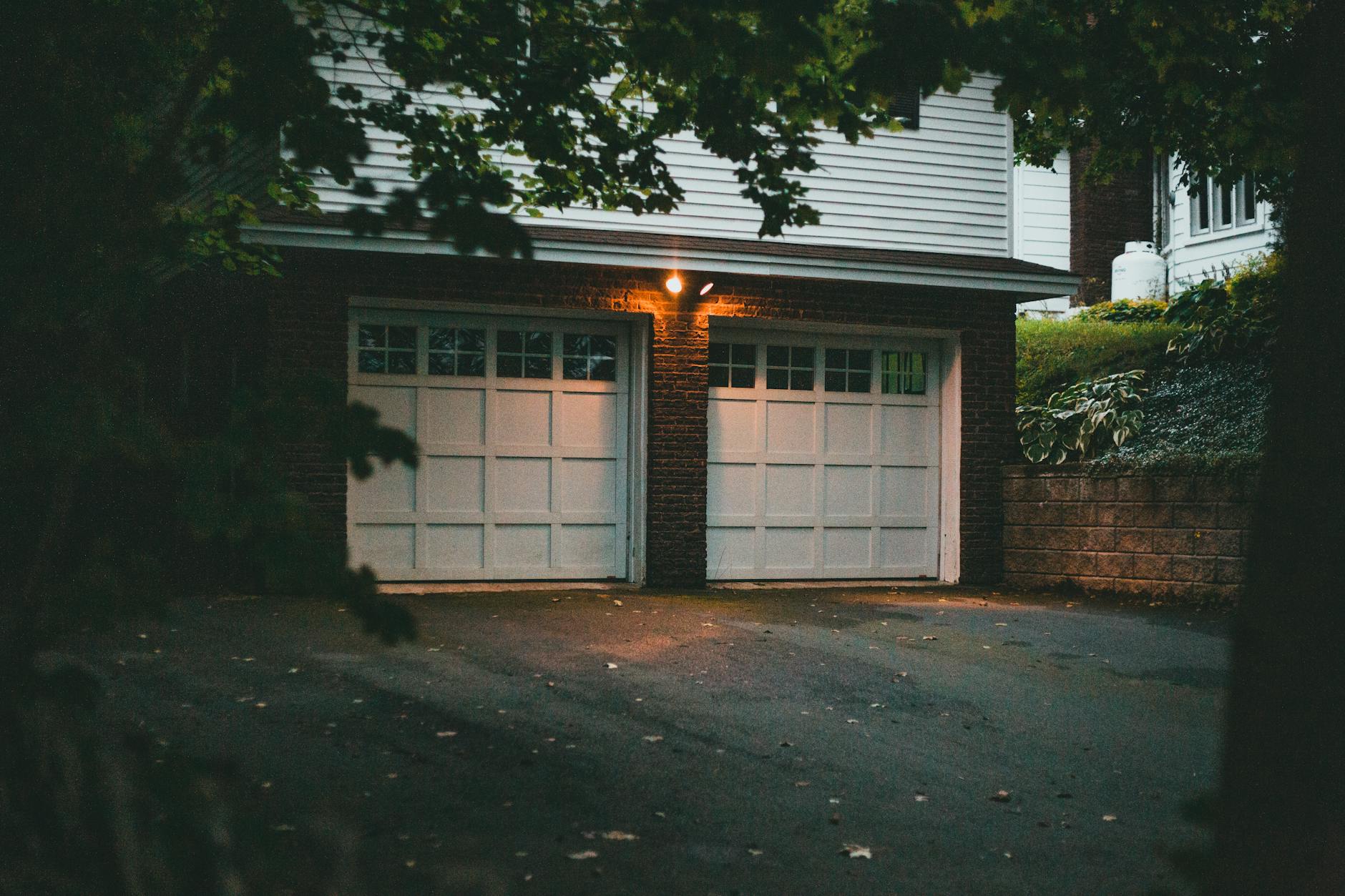
You are halfway to work. Coffee in hand, podcast playing, and that familiar sinking feeling hits—did I close the garage door? Instead of turning around or spending the morning distracted, you check your phone. Closed. Twenty minutes ago, automatically. That is the promise of a smart garage door opener, and in 2026, the reality finally matches the marketing.
But here is the problem: pick the wrong one, and you are locked into a subscription ecosystem that randomly disables features. Chamberlain's myQ platform, which dominates the market, pushed a firmware update in late 2023 that locked out Home Assistant users without warning. Then in December 2025, their new Security+ 3.0 protocol broke compatibility with popular third-party controllers like Tailwind and Ratgdo. The smart garage door market is a minefield of compatibility issues, subscription traps, and ecosystem lock-in.
I have tested five of the most popular options across three categories: retrofit controllers that add smarts to your existing opener, complete replacement openers with built-in connectivity, and Matter-compatible systems that promise to work with everything. Whether you want simple app control or full Home Assistant integration, this guide will help you avoid the expensive mistakes that leave thousands of buyers frustrated.
The Quick Answer: Three Picks for Different Priorities
If you do not have time for the full breakdown, here are my recommendations based on what you actually need:
- Best Budget Retrofit ($30): Meross Smart Garage Door Opener — Native HomeKit, Alexa, Google Home, and SmartThings support with no subscription fees. The catch? You need a compatible garage door opener (most made after 1993 with safety sensors work).
- Best Premium System ($70): Tailwind iQ3 2.0 — Hands-free arrival via Bluetooth geofencing, three-door support, and it actually works with Chamberlain's problematic Security+ 3.0 openers. The companion app is polished, and auto-open triggers reliably.
- Best Complete Replacement ($400): Chamberlain B6753T — Ultra-quiet belt drive, integrated camera, battery backup, and bright LED lighting. Yes, it uses myQ, but you are getting the full hardware package with professional-grade reliability.
The $30 Fix: Retrofit Controllers That Add Smarts to Any Opener
Most garage door openers made after 1993 can be retrofitted with a smart controller for $30 to $75. These devices wire into your existing opener's control terminals and add WiFi connectivity, app control, and voice assistant integration. The economics are compelling—a new smart opener costs $300 to $500, while a retrofit controller costs less than a decent dinner.
Chamberlain myQ Smart Garage Hub ($30): The Popular Pick With Strings Attached
The Chamberlain myQ Smart Garage Hub is the best-selling smart garage controller for good reason. Setup takes ten minutes: clip the door sensor to your garage door, plug the hub into a power outlet, and pair everything through the myQ app. The app is polished, the alerts are reliable, and Chamberlain's ecosystem integrates with Amazon Key for in-garage delivery.
The problem: Chamberlain has spent the last two years systematically walling off their ecosystem. In October 2023, a firmware update disabled unofficial integrations with Home Assistant. Then in December 2025, new Chamberlain and LiftMaster openers shipped with Security+ 3.0 encryption that broke compatibility with third-party controllers like Tailwind and Ratgdo. The myQ platform works great—if you only want to use myQ. Want Google Assistant integration? That was disabled in 2024. Apple HomeKit? Only on specific models.
Pricing: $29.98 for the hub, but the ecosystem lock-in is the real cost. If you want advanced features like smart home integration beyond basic Alexa commands, look elsewhere.
Meross Smart Garage Door Opener ($35): The Ecosystem Agnostic Choice
The Meross Smart Garage Door Opener is the anti-myQ. For $35, you get native support for Apple HomeKit, Amazon Alexa, Google Home, and Samsung SmartThings—simultaneously, without subscription fees or workarounds. The Meross app is not as polished as myQ, but it works reliably, and the HomeKit integration means your garage door shows up in the Apple Home app with proper security controls.
For Home Assistant users, Meross offers local control options that do not depend on cloud servers. The device itself is physically smaller than the myQ hub, making it easier to tuck away near your opener. Response times are fast—typically under two seconds from app tap to door movement.
The catch: Meross compatibility is broad but not universal. Your opener needs standard control terminals (most do), and very old units or those with proprietary communication protocols may not work. Meross maintains a compatibility database worth checking before purchase.
Pricing: $34.99, and that is it. No subscriptions, no premium tiers, no ecosystem hostage-taking.
Tailwind iQ3 2.0 ($70): The Hands-Free Arrival King
The Tailwind iQ3 2.0 costs twice what Meross charges, but it delivers features that justify the premium for certain users. The standout feature is Bluetooth-powered geofencing: when you approach your driveway, the system detects your phone via Bluetooth and offers to open the garage door automatically. No tapping, no voice commands, no taking your hands off the wheel. It actually works, which is more than can be said for most geofencing implementations.
Tailwind also supports up to three garage doors from a single unit—a significant value if you have a multi-car garage. The system works with virtually every garage door opener on the market, including Chamberlain's problematic Security+ 3.0 models (Tailwind reverse-engineered the protocol).
For smart home enthusiasts, Tailwind offers robust integrations with Home Assistant, SmartThings, Alexa, and Google Home. The API is open, and the company has a track record of maintaining compatibility rather than breaking it.
Pricing: $69.99 for the single-door kit, $89.99 for the three-door version. Still no subscription fees.
The $400 Upgrade: Complete Smart Garage Door Openers
Sometimes your existing garage door opener is too old, too loud, or too unreliable to justify adding smart features. In those cases, replacing the entire unit with a modern smart opener makes sense. These systems integrate WiFi connectivity directly into the motor unit, eliminating the need for separate controllers.
Chamberlain B6753T ($400): The Quiet, Camera-Equipped Benchmark
The Chamberlain B6753T represents the current state-of-the-art in consumer garage door openers. It is a belt-drive system—meaning it operates at roughly conversation volume rather than the grinding racket of chain-drive openers. The integrated 1080p camera streams live video to your phone and records motion events. The LED lighting is bright enough to actually illuminate your garage, unlike the dim bulbs in older openers. And the integrated battery backup means your garage door works during power outages.
The built-in myQ connectivity gives you all the app features—remote open/close, activity history, real-time alerts—without needing a separate hub. The camera adds a security dimension that retrofit controllers cannot match: you can see who is accessing your garage, not just when it happens.
The tradeoffs: You are locked into the myQ ecosystem with all the limitations discussed earlier. The camera requires a myQ video subscription ($3/month) for cloud storage beyond live streaming. And at $400, this is an investment that only makes sense if you actually need a new opener.
Genie Chain Glide Connect ($200): The Budget Complete Replacement
If you need a new opener but cannot stomach the $400 price tag for the Chamberlain, the Genie Chain Glide Connect offers a compelling alternative at roughly half the cost. It is a chain-drive system—louder than belt-drive, but Genie's DC motor design keeps noise reasonable. The integrated Aladdin Connect smart platform works with Alexa and Google Home, and the app is surprisingly capable for the price point.
The Aladdin Connect system does not have the ecosystem drama of myQ. It is compatible with Home Assistant through unofficial integrations, and Genie has not pulled the rug out from under users with hostile firmware updates. For $200, you get a complete opener with smart features that actually work.
Matter and Thread: The Future That Is Almost Here
Matter, the new smart home standard backed by Apple, Google, Amazon, and Samsung, promises to eliminate ecosystem lock-in. A Matter-certified garage door controller should work with any Matter-compatible platform—no more choosing between HomeKit and Alexa.
As of mid-2026, garage door support in Matter is partial. The Matter 1.2 specification added support for garage door controllers, but adoption has been slow. Several manufacturers have announced Matter-compatible garage door controllers, but widespread availability is still months away.
If you are building a new smart home and want maximum future-proofing, look for controllers that have announced Matter upgrade paths. Tailwind has committed to Matter support through a firmware update. Meross has Matter-compatible hardware in development. Chamberlain has been notably silent on Matter—another reason to think twice before diving deep into the myQ ecosystem.
Home Assistant and Local Control: Avoiding the Cloud
For privacy-conscious users and automation enthusiasts, cloud-dependent garage door controllers are unacceptable. You want local control—commands that travel directly from your Home Assistant server to your garage door without passing through a manufacturer's server.
The Ratgdo controller (approximately $45) is the current favorite in the Home Assistant community. It is an open-source hardware project that wires directly into your garage door opener and provides full local control via MQTT or ESPHome. No cloud, no subscriptions, no company to go out of business and brick your device. The downside? It requires more technical skill to install and configure than consumer options.
After Chamberlain's 2023 firmware update locked out Ratgdo on newer myQ-equipped openers, the project shifted focus to supporting openers that still use standard dry contact controls. If you have an older garage door opener or one from a manufacturer that has not implemented proprietary encryption, Ratgdo offers the most flexible local control option available.
The Installation Reality Check
Retrofit controllers are marketed as "easy DIY" projects, and for the most part, they are. However, garage door openers involve high-tension springs and heavy doors that can cause serious injury if mishandled. The controller installation itself—wiring into the opener's control terminals—is safe and straightforward. But if your garage door has mechanical issues, hire a professional.
For retrofit controllers, expect 15 to 30 minutes of installation time. You will need a ladder, a screwdriver, and possibly wire strippers. The Meross and myQ hubs connect wirelessly to your WiFi network. The Tailwind requires running a wire from the controller to your garage door opener's control terminals—a five-minute job if your opener is accessible.
Complete opener replacement is a different beast. Unless you are experienced with garage door mechanics, hire a professional installer. The springs on a garage door store enough energy to cause serious injury if released improperly.
My Recommendation: It Depends on Your Ecosystem
After testing these systems extensively, my recommendation depends on what smart home platform you use:
- Apple HomeKit users: Get the Meross. Native HomeKit support, no subscription, reliable operation. The HomeKit integration means your garage door appears in the Apple Home app with proper status updates and security controls.
- Home Assistant users: Tailwind iQ3 2.0 if you want a polished consumer experience, Ratgdo if you want maximum local control and do not mind tinkering.
- Alexa/Google users wanting hands-free arrival: Tailwind iQ3 2.0 has the best geofencing implementation I have tested. The Bluetooth detection is reliable enough that you will actually trust it.
- Amazon Key delivery users: Chamberlain myQ is your only option for in-garage delivery. Just accept that you are locked into their ecosystem.
- Need a complete new opener: Chamberlain B6753T if you want the premium belt-drive experience with a camera. Genie Chain Glide Connect if you want basic smart features on a budget.
The Bottom Line
Smart garage door openers are one of the highest-value smart home upgrades you can make. The ability to check and control your garage door from anywhere eliminates daily anxiety and adds genuine security. But the market is fractured by ecosystem wars that hurt consumers. Chamberlain's myQ platform dominates sales but increasingly locks users into a walled garden. Meross and Tailwind offer more open alternatives that work across platforms.
Spend the $30 to $70 on a retrofit controller if your existing opener works well. Upgrade the entire opener only if yours is noisy, unreliable, or lacks safety features. And whatever you choose, check compatibility with your specific garage door model before clicking buy. The last thing you want is to discover your new smart controller cannot talk to your opener after you have already mounted it.
Your garage door should just work—remotely, automatically, and without requiring a computer science degree to integrate with your other smart home devices. In 2026, that is finally possible. You just need to choose the right ecosystem.