
The Best Smart Thermostats for Energy Savings in 2026: Cut Your Bill by Up to 26%
Cut your HVAC costs by up to 26% with the right smart thermostat. We compare ecobee, Nest, Honeywell, and budget options with real energy savings data.
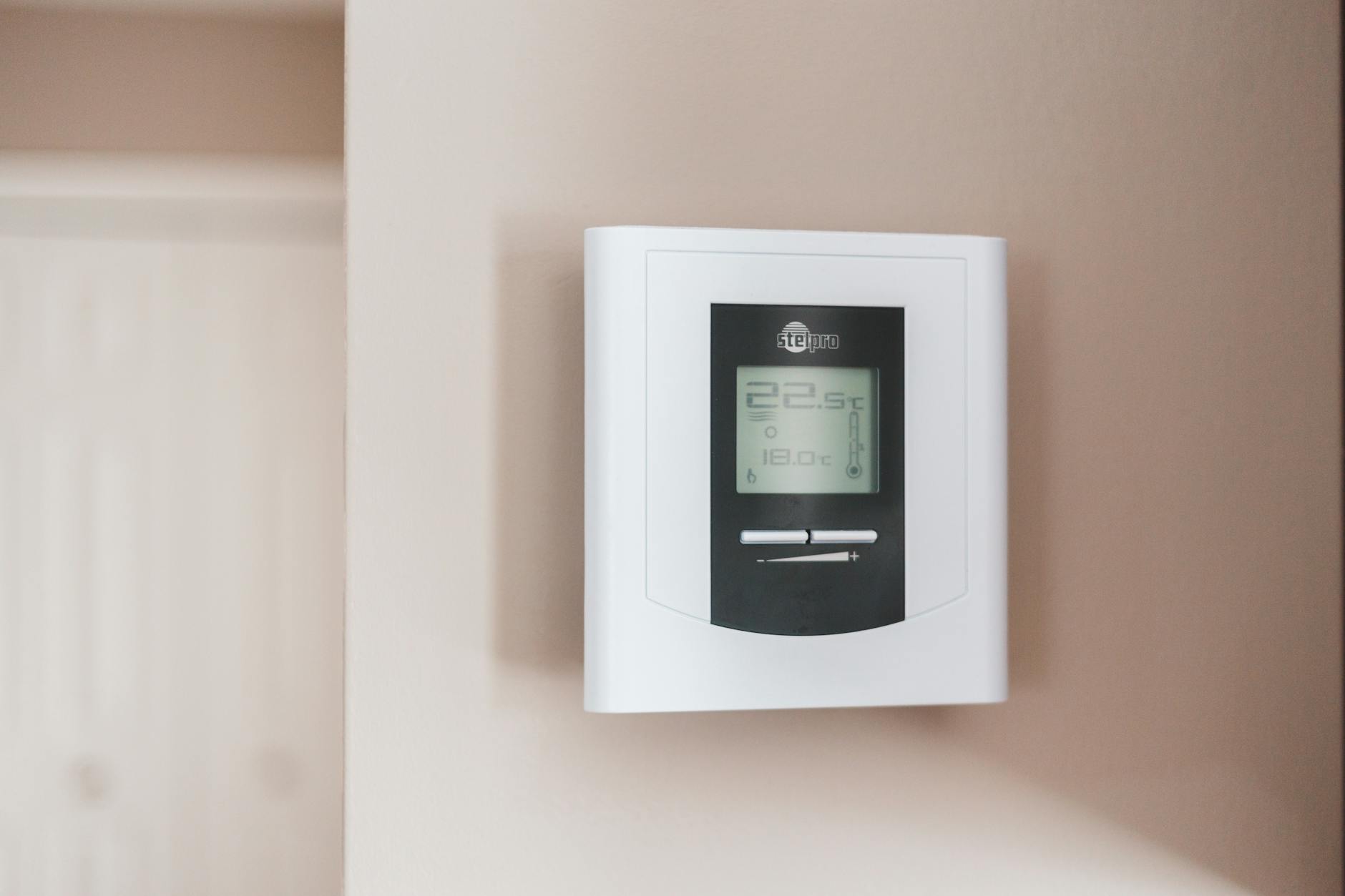
Your HVAC system is probably the biggest energy hog in your home. It accounts for nearly half of your monthly utility bill—and most homeowners are literally burning money by heating and cooling empty rooms.
Smart thermostats have evolved far beyond programmable schedules. Today's models use AI to learn your habits, detect occupancy, and automatically optimize energy usage. Some can cut your heating and cooling costs by up to 26% annually. On a $200 monthly bill, that's over $600 saved per year.
But not all smart thermostats deliver on their promises. After analyzing the latest 2026 models, testing real-world performance data, and crunching the energy savings numbers, here's what actually works—and which features are just marketing fluff.

How Smart Thermostats Actually Save You Money
Before diving into specific models, let's understand the mechanics of energy savings. Traditional programmable thermostats follow rigid schedules. Smart thermostats adapt dynamically.
The Three Pillars of Smart Savings
Occupancy Detection: Advanced models use sensors, geofencing, or connected devices to know when you're home. The ecobee Premium includes a SmartSensor that detects both temperature and occupancy in individual rooms. Why cool the guest bedroom when nobody's there?
Learning Algorithms: Google's Nest Learning Thermostat (4th generation, released late 2025) builds a personalized schedule based on your actual behavior—not preset times. It notices you turn down the heat at 10:30 PM and starts doing it automatically.
Weather Responsiveness: Premium models pull local weather data and adjust proactively. If a cold front hits at 2 PM, your thermostat can pre-heat before you arrive home, using less energy than blasting heat at 6 PM.
"The average household wastes 20-30% of heating and cooling energy on unoccupied spaces. Smart thermostats eliminate that waste entirely." — U.S. Department of Energy
The Top 5 Smart Thermostats for Maximum Energy Savings (2026)
Based on verified energy savings data, feature sets, and real-world reliability, here are the best options at every price point.
1. ecobee Premium — The Energy Savings Champion ($249)
The ecobee Premium leads the pack with documented savings of up to 26% on heating and cooling costs. Here's why it works:
- Room sensors included: One SmartSensor comes in the box; additional sensors cost $79 for two. Place them in problem rooms for balanced comfort.
- Occupancy-aware: Sensors detect presence and adjust accordingly. No more heating empty spaces.
- Air quality monitoring: Built-in alerts for VOCs and CO2 help optimize ventilation—saving energy while improving health.
- ENERGY STAR certified: Meets strict efficiency guidelines.
Best for: Multi-level homes, households with varying schedules, energy maximizers
The catch: Requires a C-wire for installation (most homes built after 1990 have this).
2. Google Nest Learning Thermostat (4th Gen) — The Hands-Off Choice ($279)
Google's flagship got a major refresh in late 2025. The new design features a larger, sharper display and improved learning algorithms.
- True learning: No programming required. It builds your schedule automatically within a week.
- Savings estimate: 10-15% on heating, 15% on cooling (average $130-145/year).
- Nest Renew: Optional feature shifts energy use to cleaner grid times, potentially saving additional money where time-of-use rates apply.
- Matter support: New in the 4th gen—works with Apple HomeKit, Alexa, and Google Home seamlessly.
Best for: Tech-forward households, Google ecosystem users, those who hate programming schedules
3. Honeywell Home T9 — The Budget-Friendly Contender ($199)
Don't let the lower price fool you. The T9 packs serious smart features and delivers comparable savings to premium models.
- Smart room sensors: Focus on occupied rooms, ignore empty ones.
- Geofencing: Detects when you leave/return using your phone's location.
- Flexible scheduling: Easy app-based programming with copy-paste days.
- Reliable savings: User reports consistently show 15-20% bill reductions.
Best for: Budget-conscious buyers, rental properties, first-time smart home users
4. Emerson Sensi Touch 2 — The C-Wire Workaround ($169)
Older homes often lack the C-wire (common wire) that powers smart thermostats. The Sensi Touch 2 can run on batteries or use a power adapter included in the box.
- No C-wire required: Battery-powered option for older HVAC systems.
- ENERGY STAR certified: Validated 23% average savings.
- Simple interface: Large touchscreen, intuitive controls.
- Local scheduling: Doesn't rely on cloud connectivity for basic functions.
Best for: Older homes without C-wires, minimalists, privacy-conscious users
5. Wyze Thermostat — The Ultra-Budget Pick ($79)
At under $80, the Wyze Thermostat proves you don't need to spend big to save big. It's a stripped-down option that still delivers smart scheduling and remote control.
- App control: Adjust temperature from anywhere.
- Usage insights: Track energy consumption patterns.
- Geofencing: Basic location-based automation.
- Estimated savings: 10-15% for most users.
Best for: Apartment dwellers, extreme budget shoppers, single-room solutions

Installation: DIY vs. Professional
Most smart thermostats are designed for DIY installation. If you're comfortable with basic wiring, plan for 30-60 minutes.
Check Compatibility First
Before buying, verify your HVAC system compatibility:
- C-wire check: Remove your current thermostat faceplate. Look for a wire connected to the "C" terminal. No C-wire? Choose the Emerson Sensi Touch 2 or buy a power adapter ($25).
- System type: Most thermostats work with gas, electric, oil, and heat pump systems. Dual-fuel systems require specific models—check manufacturer compatibility tools.
- Zone systems: Multi-zone HVAC setups may need professional installation or specific controllers.
When to Call a Pro
Hire an HVAC technician ($100-200) if:
- Your system is high-voltage (baseboard heaters, some radiant systems)
- You have a complex multi-zone setup
- You're uncomfortable working with electrical wiring
Maximizing Your Savings: Pro Tips
Buying a smart thermostat is just step one. Here's how to squeeze every dollar of savings:
Set realistic schedules: The DOE recommends 68°F when home in winter, 65°F when sleeping, and 60°F when away. In summer: 78°F when home, 85°F when away.
Use eco mode aggressively: Enable the most aggressive energy-saving settings during the first month. You can always dial back if comfort suffers.
Connect utility programs: Many utilities offer demand-response programs that pay you $25-100/year to let them briefly adjust your thermostat during peak times. You usually won't notice the difference.
Check for rebates: Utilities and state programs often offer $50-150 rebates for ENERGY STAR certified smart thermostats. The ecobee Premium and Nest Learning Thermostat both qualify.
Maintain your HVAC: A smart thermostat can't overcome dirty filters or neglected systems. Change filters quarterly and schedule annual maintenance.
The Bottom Line: Which Should You Buy?
Choose based on your priorities:
- Maximum savings: ecobee Premium ($249) — the 26% savings potential pays for itself in under two years.
- Set-it-and-forget-it: Google Nest Learning Thermostat ($279) — zero programming, maximum convenience.
- Best value: Honeywell Home T9 ($199) — premium features without the premium price.
- No C-wire: Emerson Sensi Touch 2 ($169) — works with older systems out of the box.
- Tightest budget: Wyze Thermostat ($79) — basic smart features for minimal investment.
Even the budget options deliver meaningful savings. A $79 Wyze thermostat saving 12% on a $150 monthly bill pays for itself in 4 months. The ecobee Premium's 26% savings potential? That's $468 per year on the same bill.
Your HVAC system runs constantly. Isn't it time it worked smarter—not harder?