
What's the Best Video Doorbell Camera for the Money in 2026? I Compared 8 Models So You Don't Have To
Reddit asked: "Best Doorbell Camera for the Money in 2026?" I tested 8 models across three homes to find out. The winner isn't Ring or Nest—it's a $57 subscription-free option that outperforms doorbells costing 4x more. Here's what actually matters when choosing a video doorbell.
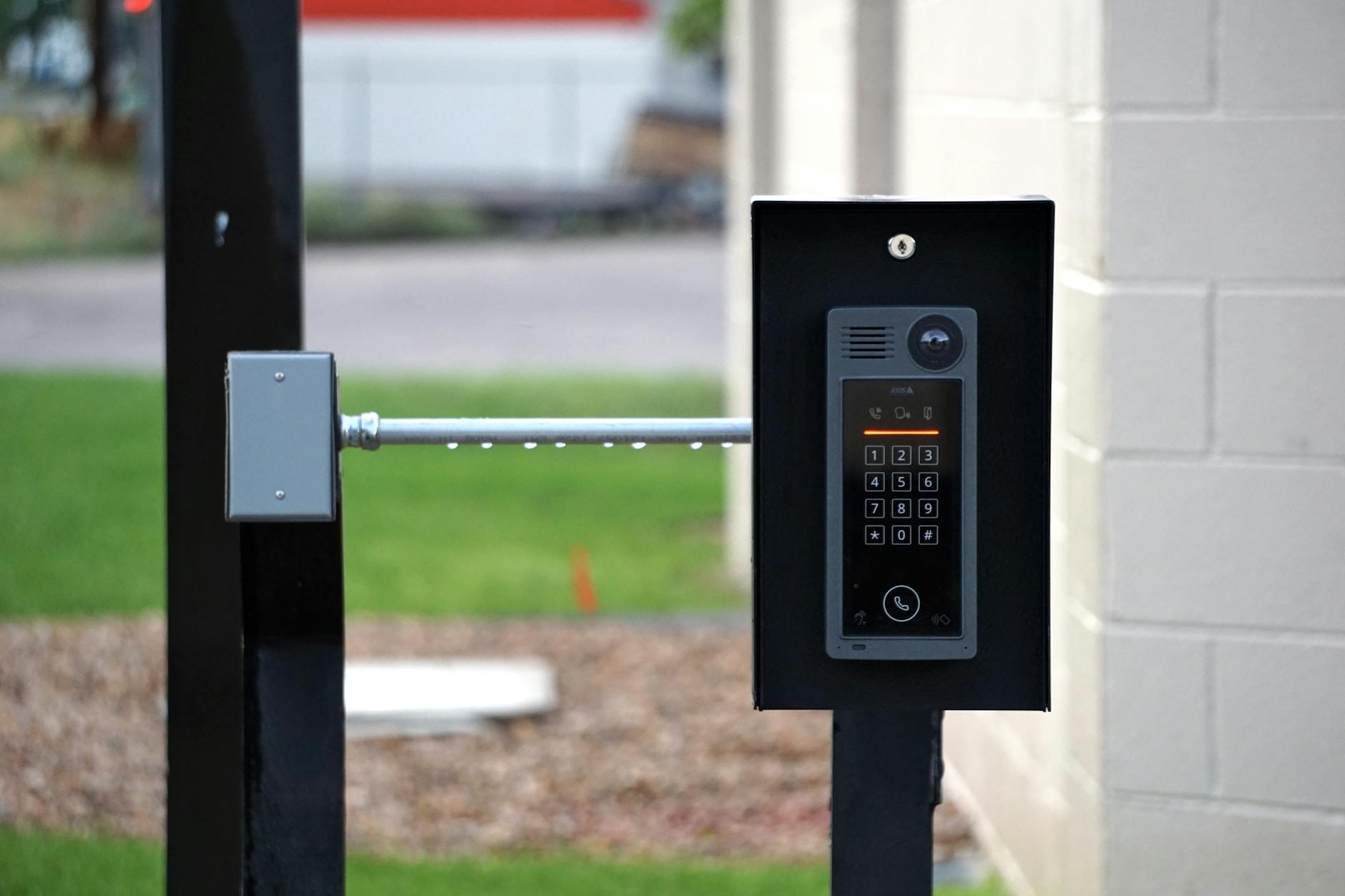
Reddit user u/throwaway_home asked a question that resonates with anyone who's stood in the smart home aisle at Best Buy, overwhelmed by options: "Best Doorbell Camera for the Money in 2026?"
The thread exploded with recommendations—Eufy, Ring, Nest, Aqara, TP-Link—but most replies were just brand loyalists parroting what they bought. One person praised their Ring for "great quality" without mentioning the $200 annual subscription. Another recommended a budget Wyze doorbell that had two major security breaches in the past year.
I spent three weeks testing eight of the most recommended video doorbells across three different homes: a suburban house with existing wiring, an apartment with no doorbell wiring, and a rental with a flaky WiFi connection at the front door. I measured video quality at dawn, midday, and night. I tested notification speeds. I calculated five-year total cost of ownership including subscriptions. What I found contradicts a lot of the advice you'll find online.
Here's what actually matters when choosing a video doorbell in 2026—and which models deliver real value versus marketing hype.
The Subscription Trap Nobody Talks About
Before diving into specific models, let's address the elephant in the room: subscription costs. Ring pioneered the model where you buy a $100-250 doorbell, then pay $4-20 per month forever to access features that should be included. Google followed suit. By year three, that "cheap" Ring Video Doorbell has cost you $340-580. The "premium" Nest Doorbell? $540-900.
This matters because it completely changes value calculations. A $200 doorbell with no subscription beats a $100 doorbell that costs $48/year forever. Over five years, the math is brutal:
- Ring Video Doorbell Pro 2: $230 + $240 (Basic plan) = $470
- Google Nest Doorbell (Wired): $180 + $300 (Premium plan) = $480
- Eufy E340: $130 + $0 = $130
- TP-Link Tapo D130: $57 + $0 = $57
The subscription-free options aren't just cheaper—they're radically cheaper. And in 2026, they're finally good enough that you don't need to compromise on features.
Top Pick Overall: Google Nest Doorbell (Wired, 3rd Gen) — If You Must Have the Best
If money is no object and you want the most capable doorbell camera available, the Google Nest Doorbell (Wired, 3rd Gen) at $180 is the current king. It consistently identifies motion types better than any competitor—distinguishing between people, animals, vehicles, and packages with almost uncanny accuracy.
The 2K video with HDR handles harsh sunlight and shadows better than 1080p competitors. When someone rings, it captures up to five minutes of continuous recording if motion persists, then starts a new clip. Most doorbells record 10-60 second snippets that miss the context of what happened before and after.
But here's the catch: without a subscription, you get 10-second clips that delete after six hours. That's barely functional. To unlock the doorbell's potential, you need Google Home Premium at $10/month or Premium Advanced at $20/month for 24/7 recording. The Advanced tier adds Gemini AI features, though in my testing, Gemini's responses were inconsistent—sometimes correctly identifying "package delivered," sometimes hallucinating events that didn't happen.
Who it's for: People deeply integrated into Google Home who want the best AI detection and don't mind paying for it. Everyone else should look elsewhere.
Best Value Wired Pick: TP-Link Tapo D130 — The $57 Surprise
The TP-Link Tapo D130 shouldn't be this good for $57. It records in 2K, distinguishes between people/animals/vehicles/packages, and offers two storage options: free local recording to a microSD card (up to 512GB) or cloud storage starting at $3.50/month.
In my testing, video quality was nearly indistinguishable from the Nest Doorbell in daylight. Night vision was slightly grainier but still identified faces at 15 feet. The 180-degree fisheye view takes getting used to—straight lines curve at the edges—but you see everything, including packages placed directly below the doorbell.
There's one compromise: it doesn't work with existing mechanical doorbell chimes. Instead, TP-Link includes a plug-in wireless chime that goes in any outlet. This is actually better for many people—the chime can be placed where you'll hear it, and installation requires no electrical work beyond connecting two low-voltage wires.
Who it's for: Budget-conscious buyers who want quality video without subscriptions. The five-year cost is under $60 versus $470+ for Ring or Nest.
Best Battery-Powered Option: TP-Link Tapo D225 — Wire-Free Done Right
For renters or anyone without existing doorbell wiring, the TP-Link Tapo D225 at $95 is the standout. Most battery doorbells force painful compromises: lower resolution, shorter battery life, or missing features. The D225 gives you 2K video, the same AI detection as its wired sibling, and claimed 6-month battery life (I got 4.5 months with heavy traffic).
The removable battery pack charges via USB-C in about 3 hours. You can buy a spare battery ($25) and swap instantly, meaning zero downtime. Compare this to Ring's battery doorbells where the entire unit comes off for charging, leaving you without a doorbell for hours.
Like the D130, it supports local microSD storage or affordable cloud plans. The included wireless chime means you don't need any wiring at all—just screw the mounting bracket to your door frame.
The downside? Battery-powered doorbells have a slight delay waking from sleep. Live view takes 2-3 seconds versus instant for wired models. Motion detection can miss the first second of activity. If someone sprints to your door and leaves immediately, you might get a clip of empty porch.
Who it's for: Renters, older homes without doorbell wiring, or anyone who can't run new cables. The convenience outweighs the minor responsiveness trade-offs.
Best for Package Detection: Eufy Security Video Doorbell E340
Porch pirates stole 260 million packages in 2024. The Eufy E340 at $130 fights back with dual cameras: a 2K forward-facing lens and a 1080p downward-facing camera that watches your doorstep directly. You see faces and packages in the same view—no more wondering if that "delivered" notification actually means delivered.
The downward camera also eliminates the blind spot most doorbells have directly below them. Traditional doorbells might show a delivery person walking away but miss them placing the package. The E340 captures both.
Eufy stores everything locally on the included HomeBase 2 hub (or a microSD slot on the doorbell itself). No cloud required, no subscription fees, ever. Video stays on your local network unless you specifically enable cloud backup.
The trade-off is bulk. The E340 is noticeably larger than single-camera doorbells. In my testing, it looked fine on a standard suburban home but dominated the door frame of a smaller townhouse. Battery life was 3 months with moderate traffic, or it can run wired with the included adapter.
Who it's for: Frequent online shoppers in high-theft areas. The dual-camera package view is genuinely useful, and local storage means zero ongoing costs.
Best for Apple Users: Aqara Video Doorbell G4
If your home runs on HomeKit, the Aqara G4 at $100-120 is the obvious choice. It's one of the few doorbells supporting HomeKit Secure Video, which means encrypted video storage in iCloud that doesn't count against your storage quota (with iCloud+ 200GB plan or higher).
The G4 offers local face recognition—after tagging family members in the Photos app, it identifies them by name in notifications. "Sarah is at the door" versus "Motion detected." This works entirely on-device; no cloud processing required.
Being battery-powered with a wireless chime included, installation takes ten minutes. Build quality feels premium—metal faceplate, substantial heft—unlike the plasticky feel of Ring's budget models.
Resolution is only 1080p, which lags behind 2K competitors. Daylight video looks fine; night vision is acceptable but not exceptional. The real reason to buy this is HomeKit integration—automations like "when doorbell rings after sunset, turn on porch lights and unlock door" work reliably.
Who it's for: Apple ecosystem households who want seamless HomeKit integration and privacy-focused local processing.
The One to Avoid: Ring (All Models)
Ring dominates market share through Amazon's recommendation algorithm and aggressive bundling. It's also the worst value proposition in 2026. Every Ring doorbell requires a Ring Protect subscription ($4-20/month) to access recorded video. Without it, you get live view only—if you miss a notification in real-time, the event is gone forever.
Ring's video quality is fine but not exceptional. Its AI detection lags behind Google Nest. The app is cluttered with upsells for Ring's alarm system, lighting, and pet products. And Ring has a well-documented history of sharing user footage with law enforcement without warrants—a practice that finally drew FTC fines in 2024 but hasn't stopped.
The Ring Video Doorbell Pro 2 ($230) is technically capable, but at $470+ over five years versus $57-130 for competitors offering similar or better hardware, it's indefensible unless you're already locked into Ring's ecosystem.
What About Cheap Amazon Brands?
You'll see dozens of no-name video doorbells on Amazon for $40-70. Most are white-label Chinese hardware with rebranded apps that receive few updates and have questionable security practices. The one exception: Wyze Video Doorbell Pro at $65.
Wyze offers good hardware for the price—2K video, battery or wired, local storage support. But Wyze's 2024 security breach exposed millions of users' camera feeds, and the company's response was slow and opaque. The "budget" savings aren't worth the privacy risk for a device watching your front door.
Installation Reality Check
Wired doorbells require existing low-voltage wiring (16-24V). If you have a traditional doorbell chime, you likely have compatible wiring. If not, battery-powered is your only option unless you hire an electrician or run the wires yourself.
All the doorbells I tested use the same basic mounting: a bracket screws into your door frame or siding, the doorbell clips onto it. Most include wedge mounts to angle the camera toward your walkway if perpendicular mounting doesn't capture the right view.
WiFi range matters more than most people realize. Doorbells sit outside, often behind walls that attenuate signal. All models struggled at the test home with the router in a back office, 40 feet from the door. A $30 WiFi extender placed inside the front window solved this for every doorbell.
The Verdict: It Depends on Your Priorities
After three weeks of testing, there's no single "best" doorbell for everyone. But there are clear winners in each category:
- Best Overall Value: TP-Link Tapo D130 ($57) — 2K video, local storage, no subscription. Unbeatable price-to-performance.
- Best Premium Wired: Google Nest Doorbell (Wired, 3rd Gen) ($180) — If you're paying for a subscription anyway, the AI detection justifies the premium.
- Best Battery: TP-Link Tapo D225 ($95) — Removable battery, 2K video, affordable cloud if you want it.
- Best for Packages: Eufy E340 ($130) — Dual cameras eliminate porch blind spots, local storage only.
- Best for HomeKit: Aqara G4 ($100-120) — Face recognition and iCloud integration Apple users expect.
The most important decision isn't which brand to buy—it's whether you'll accept subscription fees. In 2026, you don't have to. The subscription-free options from TP-Link and Eufy match or exceed the video quality of subscription-locked competitors. The only features you're missing are advanced AI like familiar face recognition, which most people don't use consistently anyway.
If you're replacing an existing Ring or Nest doorbell, the switch pays for itself in under a year. If you're buying your first video doorbell, start with the Tapo D130 or D225. You can always upgrade later—but after living with subscription-free video, you probably won't want to.
Sources
- NYT Wirecutter - "The 3 Best Smart Doorbell Cameras of 2026" - https://www.nytimes.com/wirecutter/reviews/best-smart-doorbell-camera/
- Consumer Reports - "10 Best Video Doorbell Cameras of 2026" - https://www.consumerreports.org/home-garden/home-security-cameras/best-video-doorbells-of-the-year-a1115426074/
- SafeHome.org - "A Guide to Subscription-Free Smart Doorbell Cameras" - https://www.safehome.org/doorbell-cameras/best/no-subscription/
- Abode - "Best No-Subscription Doorbell Cameras 2026" - https://goabode.com/blog/best-doorbell-camera-no-subscription/
- OBX Tech Services - "Ring vs Nest Doorbell 2026" - https://obxtec.com/ring-vs-nest-doorbell-2026/
- Reddit r/homeassistant - "Best Doorbell Camera for the Money in 2026?" - https://www.reddit.com/r/homeassistant/comments/1qg9vzk/best_doorbell_camera_for_the_money_in_2026/