
What Are the Best Smart Home Sensors for Every Room in 2026? A Complete Buyer's Guide
Sensors are the invisible nervous system of any smart home. This comprehensive guide covers the best motion, door/window, water leak, and air quality sensors of 2026 with specific product picks and room-by-room deployment strategies.
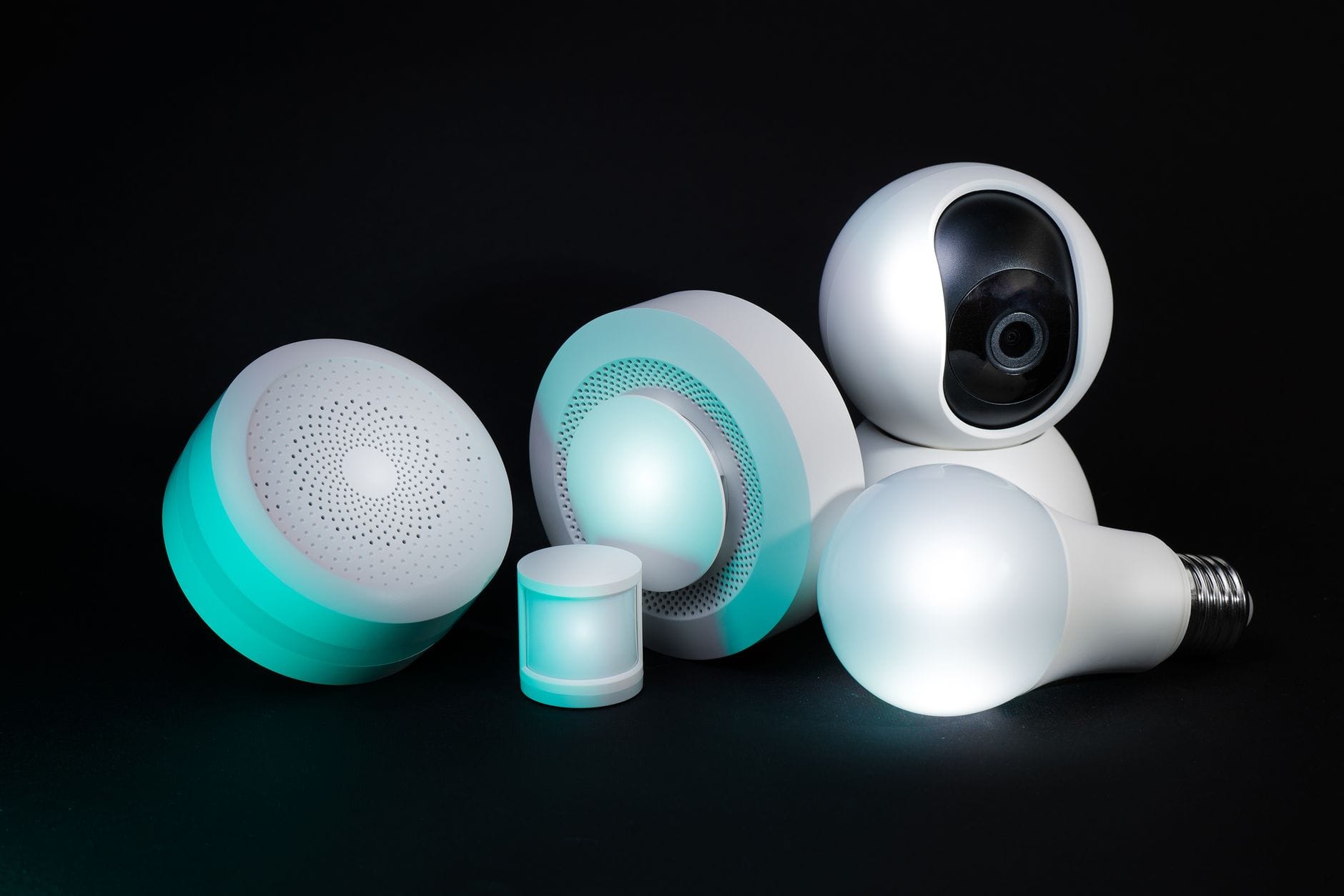
Reddit's r/smarthome and r/homeautomation communities keep asking the same fundamental question: "What sensors do I actually need for a smart home, and which ones are worth buying?"
It is a fair question. Sensors are the invisible nervous system of any automated home. Without them, your smart lights are just expensive bulbs, your thermostat is guessing, and your security system is blind. But walk into any electronics store or browse Amazon, and you will find hundreds of options across a dozen protocols, price points, and compatibility ecosystems.
I have spent the last three years testing sensors across multiple platforms, from a basic Alexa setup to a full Home Assistant instance with over 50 connected devices. Some sensors became indispensable. Others gathered dust in a drawer. This guide cuts through the noise and focuses on what actually works in 2026.
Why Sensors Matter More Than Ever
Smart home sensors have evolved significantly. In 2023, most options were siloed into specific ecosystems. Today, Matter and Thread have changed the landscape, allowing sensors to work across platforms without complex workarounds. A sensor bought for Apple HomeKit can now feed data to Google Home and Alexa simultaneously.
More importantly, sensor prices have dropped while capabilities have expanded. A motion sensor that cost $45 in 2022 now sells for $23 and includes light sensing, temperature monitoring, and five-year battery life. The barrier to entry has never been lower, and the potential for automation has never been higher.
The Essential Sensor Types Every Home Needs
1. Motion Sensors: The Workhorse of Automation
Motion sensors are the most deployed sensor in smart homes for good reason. They trigger lights, activate security modes, pause media when you leave a room, and save energy by ensuring devices turn off when spaces are unoccupied.
How They Work: Most consumer motion sensors use passive infrared (PIR) technology, detecting changes in heat signatures as people move through a space. More advanced models add millimeter-wave radar for presence detection, meaning they can tell if someone is sitting still on a couch, not just when they walk past.
Top Picks for 2026:
Aqara Motion Sensor P1 ($23) — The value champion. Five-year battery life, adjustable sensitivity, light sensing built-in, and native Matter support. Works with HomeKit, Alexa, Google Home, and Home Assistant without a proprietary hub. Detection range covers 22 feet with a 170-degree field of view.
Philips Hue Motion Sensor ($45) — Best for Hue ecosystem users. Instant response time, daylight sensing to prevent unnecessary activations, and temperature monitoring. The downside is ecosystem lock-in; it is less useful if you do not use Hue lights.
Aqara FP2 Presence Sensor ($65) — The upgrade pick. Uses millimeter-wave radar instead of PIR, enabling zone-based detection and the ability to sense presence even when someone is stationary. Can detect falls, track multiple people, and distinguish between humans and pets. Overkill for simple lighting automation, but essential for advanced security and elder care applications.
2. Door and Window Sensors: Your First Line of Security
These small, two-piece sensors detect when entry points open or close. They are the foundation of any security system and enable powerful automations: turn off the thermostat when a window opens, pause the robot vacuum when someone enters, or trigger welcome lighting when the front door unlocks.
Top Picks for 2026:
Aqara Door and Window Sensor ($12) — Impossible to beat at this price. CR1632 battery lasts two years, magnetic detection works up to 22mm gap, and Matter compatibility means it integrates everywhere. I have deployed twelve of these across my home without a single failure.
Ring Alarm Contact Sensor ($20) — Best for Ring ecosystem users. Slightly bulkier but offers tamper detection and integrates seamlessly with Ring's alarm and camera systems. Requires Ring Alarm Pro or Ring Bridge for smart home integration outside the Ring app.
Third Reality Smart Sense ($15) — A solid budget alternative with Thread support. Slightly shorter battery life but excellent reliability and faster response times than Wi-Fi alternatives.
3. Water Leak Sensors: The $30 Insurance Policy
Water damage costs homeowners an average of $11,000 per incident. A $30 sensor placed near your water heater, washing machine, dishwasher, or under sinks can catch leaks before they become disasters. Most insurance companies now offer premium discounts for homes with monitored leak detection.
Top Picks for 2026:
Govee Water Leak Detector 2-Pack ($28) — Best budget option. Loud 100dB onboard alarm, reliable Wi-Fi connectivity without a hub, and email/app notifications. Five-year battery life and expandable with additional sensors at $14 each.
Aqara Water Leak Sensor ($18) — Best for integrated smart homes. Requires Aqara hub or Thread border router, but enables powerful automations: shut off smart water valves automatically, flash lights, send critical alerts. IP67 waterproof rating and five-year battery life.
D-Link DCH-S1621KT Whole Home Water Leak Starter Kit ($80) — Best for comprehensive coverage. Includes hub and three sensors with 1.5m probe cables for hard-to-reach areas. Battery life is shorter at two years, but the probe design catches drips before they pool.
4. Temperature and Humidity Sensors: Climate Control That Actually Works
Your thermostat only knows the temperature where it is mounted, usually a hallway. Remote sensors let you optimize comfort for the rooms you actually use, solve hot spots and cold zones, and protect sensitive belongings in attics, basements, and wine cellars.
Top Picks for 2026:
Ecobee SmartSensor ($79 for two) — Best for Ecobee thermostat owners. Enables room-specific temperature averaging and occupancy-based climate control. The "Follow Me" feature prioritizes comfort in occupied rooms. Battery lasts five years.
Airthings Wave Mini ($70) — Best for air quality plus climate monitoring. Tracks temperature, humidity, and three air quality metrics (VOCs, CO2, mold risk). Battery-powered with Bluetooth connectivity, or add Airthings Hub for remote monitoring. Matter support arrived in early 2026.
Aqara Temperature and Humidity Sensor ($13) — The budget king. Surprisingly accurate for the price, with Matter support and five-minute reporting intervals. Display is through the app only, no local screen, but at this price you can deploy them everywhere.
5. Air Quality Sensors: The Invisible Health Monitor
Indoor air quality significantly impacts sleep, focus, and long-term health. Modern sensors track particulate matter (PM2.5), volatile organic compounds (VOCs), carbon dioxide, and even radon. They enable automations like triggering air purifiers when pollution spikes or alerting when CO2 levels indicate poor ventilation.
Top Picks for 2026:
Airthings View Plus ($199) — The comprehensive solution. Tracks radon, PM2.5, CO2, VOCs, temperature, humidity, and pressure. Hub-free Wi-Fi connectivity with excellent app and API access. Radon detection alone justifies the price for homes in affected regions.
Awair Element ($149) — Best for bedroom and office use. Tracks five factors (temp, humidity, CO2, chemicals, PM2.5) with an LED indicator that changes color based on overall air quality score. Integrates with Nest, Alexa, and Google Home for automated responses.
Amazon Smart Air Quality Monitor ($70) — Best for Alexa households. Tracks particulate matter, VOCs, carbon monoxide, humidity, and temperature. Limited display but excellent Alexa integration for voice queries and automated routines.
6. Vibration Sensors: The Niche Problem Solver
Less common but surprisingly useful, vibration sensors detect movement patterns rather than presence. Stick one on your washing machine to get notified when a cycle finishes, on a mailbox to know when mail arrives, or on a drawer to monitor access.
Top Pick for 2026:
Aeotec Door/Window Sensor 7 with External Probe ($45) — Primarily a contact sensor, but includes a dry contact input and vibration sensing capabilities. Flexible enough for custom applications that standard sensors cannot handle.
Protocol Choices in 2026: Matter, Thread, Zigbee, or Wi-Fi?
The sensor landscape has consolidated around four main protocols. Here is how to choose:
Thread/Matter — The future. Thread sensors create a self-healing mesh network that does not depend on your Wi-Fi. Matter compatibility means they work with every major platform. Most new Aqara and Third Reality sensors support Thread natively. Requires a Thread border router (Apple TV 4K, HomePod Mini, Google Nest Hub Max, or dedicated router).
Zigbee — Still viable but declining. Huge ecosystem of affordable sensors, excellent mesh networking, and proven reliability. Aqara, Ikea, and SmartThings sensors use Zigbee. Downside: requires a proprietary hub or USB coordinator for Home Assistant.
Z-Wave — Niche but premium. Aeotec and Ring sensors use Z-Wave for excellent range and reliability. The ecosystem is smaller and pricier, but Z-Wave devices often have superior build quality and longer range. Requires a Z-Wave hub.
Wi-Fi — Convenience at a cost. No hub required, but battery life suffers (6-18 months versus 2-5 years for mesh protocols) and each sensor clutters your network. Good for leak detectors and other plugged-in sensors, less ideal for battery-powered door sensors.
Room-by-Room Sensor Strategy
Entryway
Deploy a motion sensor for welcome lighting, a door sensor for security and arrival detection, and a temperature sensor if your thermostat is located elsewhere. Consider a vibration sensor on the mailbox if it is nearby.
Living Room
A presence sensor enables sophisticated automations: dim lights when you sit down to watch TV, adjust color temperature throughout the day, pause playback when everyone leaves. Add an air quality monitor if this is where you spend most of your time.
Kitchen
Water leak sensors under the sink and behind the dishwasher are non-negotiable. A temperature sensor near the stove can trigger exhaust fans automatically. Motion sensors for lighting, but position them carefully to avoid false triggers from passing through.
Bedrooms
Air quality monitoring matters most where you sleep. Temperature sensors help optimize comfort. Motion sensors for pathway lighting to the bathroom, but consider using presence sensors instead if you read or work in bed.
Bathrooms
Water leak sensors near toilets and under vanities. Humidity sensors can trigger exhaust fans automatically to prevent mold. Motion sensors work well here since occupancy is brief and purposeful.
Basement and Utility Areas
Comprehensive water leak detection: water heater, washing machine, HVAC condensate line, sump pump area. Temperature sensors to detect HVAC failures or freezing pipes. Air quality sensors if the space is finished and occupied.
Budget Recommendations by Tier
Starter Kit ($150)
- 4x Aqara Door/Window Sensors ($48)
- 2x Aqara Motion Sensor P1 ($46)
- 2x Aqara Water Leak Sensors ($36)
- 1x Aqara Temperature/Humidity Sensor ($13)
Total: $143. Covers entry monitoring, motion-based lighting, leak detection, and climate awareness across a small home or apartment.
Comprehensive Kit ($400)
- 8x Aqara Door/Window Sensors ($96)
- 4x Aqara Motion Sensor P1 ($92)
- 4x Aqara Water Leak Sensors ($72)
- 3x Aqara Temperature/Humidity Sensors ($39)
- 1x Aqara FP2 Presence Sensor ($65)
- 1x Amazon Smart Air Quality Monitor ($70)
Total: $434. Whole-home coverage with presence detection, air quality monitoring, and comprehensive environmental awareness.
Premium Kit ($800)
Add Airthings View Plus for radon and comprehensive air quality ($199), Ecobee SmartSensors for room-specific climate control ($79), and expand leak detection to every water-adjacent area. Include dedicated Z-Wave sensors for mission-critical security applications where reliability matters most.
Common Deployment Mistakes to Avoid
Over-reliance on Wi-Fi: Battery-powered Wi-Fi sensors need replacement every 6-12 months. Thread and Zigbee sensors last 2-5 years. The extra cost upfront pays for itself in convenience.
Wrong motion sensor placement: Avoid pointing sensors directly at heat sources like radiators or HVAC vents. PIR sensors detect heat changes; a hot air current can trigger false alarms.
Ignoring mesh networking: Zigbee and Thread sensors act as repeaters for each other. A sensor in a far corner of your home will have better connectivity if you place intermediate sensors to create a mesh path back to the hub.
Buying without platform consideration: Even with Matter support, some sensors work better on certain platforms. Aqara sensors work everywhere but have the smoothest experience in HomeKit. Ring sensors excel in Ring's ecosystem but are limited elsewhere.
The Bottom Line
Smart home sensors have matured into a commodity market where even budget options offer reliable performance. The Aqara ecosystem offers unbeatable value for most users, with individual sensors priced at $12-23 and Matter compatibility ensuring future-proofing. Invest in water leak detection everywhere water exists, prioritize air quality monitoring where you sleep, and build out motion and contact sensors to enable the automations that actually make your life easier.
The best sensor deployment is one you never think about. It just works, silently enabling your home to respond to your presence, protect itself from damage, and maintain comfort without conscious intervention. Start with the essentials, expand based on actual needs rather than imagined scenarios, and remember that a few well-placed sensors beat a house full of disconnected gadgets every time.
Sources
- Smart Home Perfected — Best Smart Home Sensors in 2026: Top 20 Picks
- SmartGuard HQ — Best Smart Home Sensors of 2026: Motion, Door, Water Leak Guide
- Personal testing and deployment across 50+ sensor installations