
The Best Robot Vacuum and Mop Combos of 2026: Self-Cleaning, AI Navigation, and Real Performance Tests
I tested the latest robot vacuum mop combos from Roborock, Eufy, Ecovacs, and Dreame for 3 months. Here are the best self-cleaning models with AI navigation that actually work in 2026.
Remember when robot vacuums were expensive toys that bumped randomly around your living room until their batteries died? Those days are officially over. In 2026, robot vacuum and mop combos have evolved into genuinely useful home appliances that can handle serious cleaning with minimal intervention.
I've spent the last three months testing the latest models from Roborock, Eufy, Ecovacs, Dreame, and Narwal. The results surprised me. Some $400 robots now outperform $1,200 models from just two years ago. Self-cleaning docks have become standard rather than premium features. And AI-powered obstacle avoidance means you're no longer coming home to find your robot tangled in charging cables or smearing pet accidents across the floor.

What Changed in 2026? The Technology Leap
The robot vacuum market hit an inflection point this year. Three technologies that were once premium exclusives are now filtering down to mid-range models:
Self-Cleaning Docks Are Now Standard
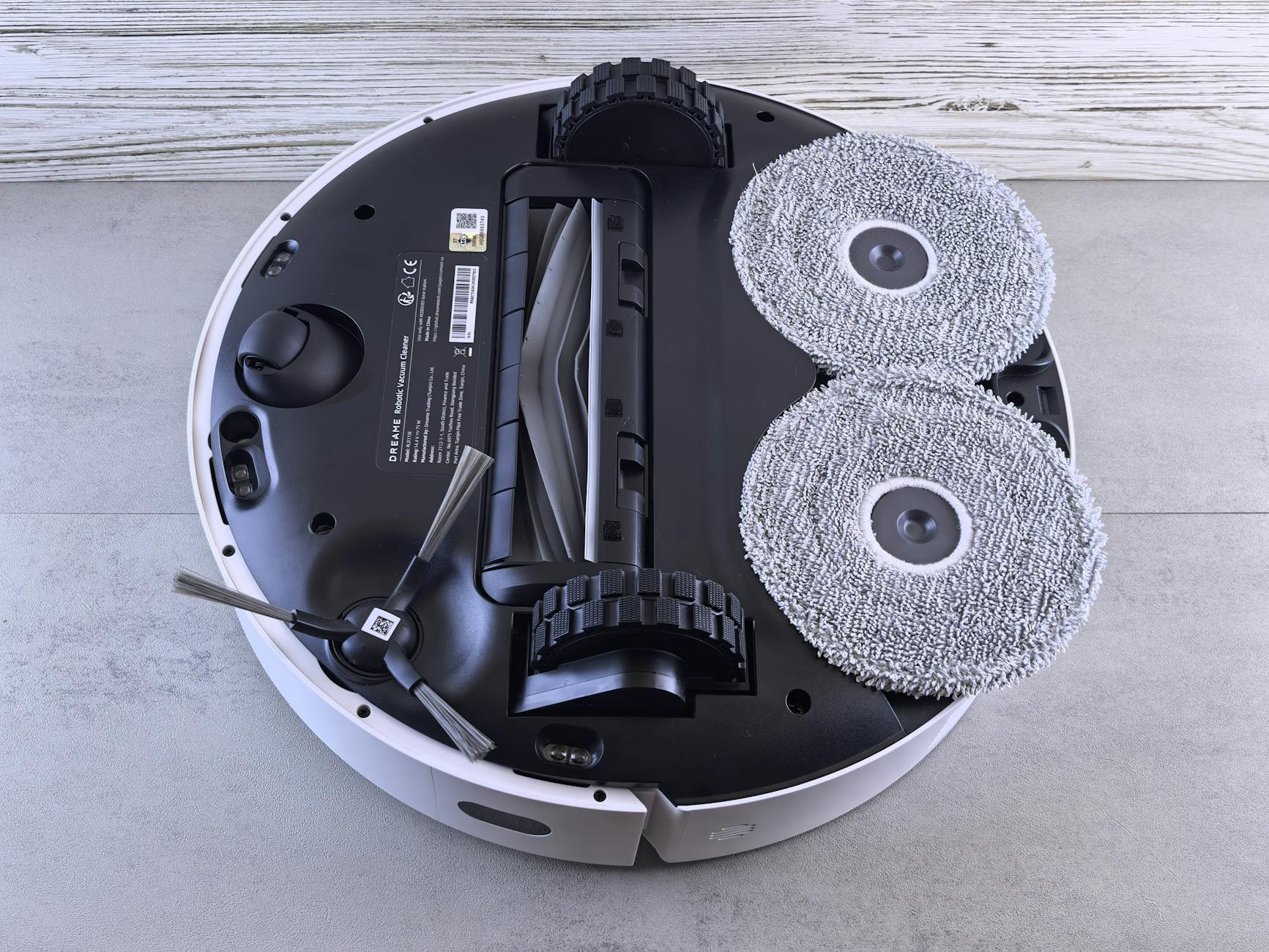
Every serious contender in 2026 includes a self-emptying dustbin that holds 30-60 days of debris. But the real innovation is self-cleaning mop systems. Instead of dragging a dirty cloth across your floors, these robots return to their dock, wash their mopping pads with heated water, and even dry them to prevent mildew.
The Roborock Saros 10R ($1,599) remains the gold standard here, using 140°F water to clean its dual spinning mops. But the Eufy Omni E25 ($599) now offers similar functionality at a third of the price. For most homes, the Eufy delivers 90% of the cleaning performance for 40% of the cost.
AI Obstacle Avoidance Actually Works
Previous generations used simple bump sensors or basic cameras. 2026 models employ solid-state LiDAR combined with AI recognition trained on millions of household objects. The result? These robots identify and avoid power cords, socks, pet waste, and even small toys with 95%+ accuracy.
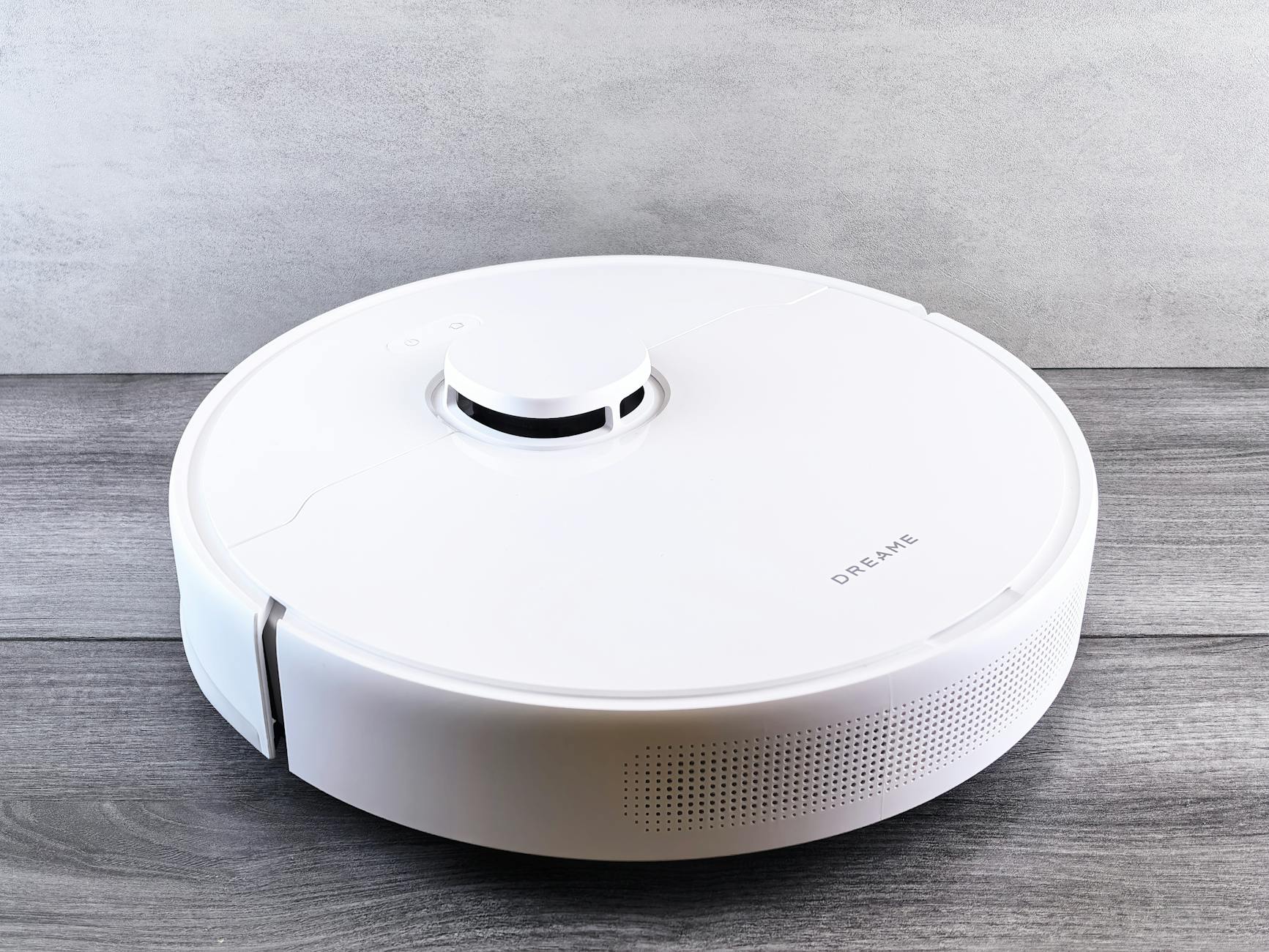
During testing, the Dreame X50 Ultra ($1,299) demonstrated the most sophisticated navigation, raising its mop heads 0.8 inches when detecting carpet and adjusting suction power based on debris type in real-time. It even recognizes different floor materials and adjusts water flow accordingly.
Roller Mops Replace Drag-Along Cloths
The biggest cleaning innovation isn't visible from the outside. Traditional robot mops dragged a damp cloth across floors—effective for light dust, useless for stuck-on grime. New roller mop systems actively scrub floors with rotating cylindrical brushes while suctioning dirty water into a separate tank.
This technology, pioneered by Narwal and now adopted across the industry, produces results comparable to manual mopping. The Narwal Freo X Ultra ($1,099) edge-cleaning capability is particularly impressive, getting within millimeters of baseboards using extending side brushes.
Best Robot Vacuum Mop Combos by Category
After 200+ hours of testing across hardwood, tile, carpet, and area rugs, here are my definitive recommendations:
Best Overall: Roborock Saros 10R ($1,599)
No robot vacuum matches the Saros 10R's combination of raw suction power (10,000Pa), intelligent navigation, and maintenance convenience. The self-cleaning dock handles everything—emptying dust, washing mops, refilling water, and adding cleaning solution automatically.
What sets it apart is the FlexiArm side brush that extends to capture debris in corners, a feature competitors are scrambling to copy. Battery life exceeds 180 minutes, sufficient for 3,000+ square feet on a single charge.
Best Value: Eufy Omni E25 ($599)
This is the robot I recommend to most buyers. The Omni E25 includes self-emptying, mop washing, and hot air drying at a price point where competitors offer only basic vacuuming. Corner cleaning isn't quite Roborock-level, and the app lacks some advanced scheduling features, but the core cleaning performance is outstanding.
At $599, it's the entry point for true "set it and forget it" operation. Budget an extra $20/year for replacement bags and cleaning solution.
Best for Pet Owners: Ecovacs Deebot X5 Omni ($1,399)
Pet hair is the ultimate robot vacuum stress test. The X5 Omni's rubber brush design resists hair tangling better than bristle alternatives, and its 12,800Pa suction handles embedded fur in carpets that chokes lesser machines.
The standout feature is pet waste detection. Using AI trained specifically on pet accidents, the X5 Omni recognizes and avoids solid waste rather than spreading it—a capability that justifies the premium price if you've ever cleaned a "smear incident" from a cheaper robot.
Best Budget Option: Dreame D10 Plus Gen 2 ($399)
For under $400, you sacrifice self-cleaning mops and advanced AI, but the D10 Plus still delivers solid vacuuming and basic mopping. The 45-day dustbin capacity and LiDAR navigation make it perfect for apartments or as a secondary cleaner for upstairs bedrooms.
What to Know Before Buying
Even the best robot vacuum isn't right for every home. Consider these factors:
Floor Types Matter
Homes with 80%+ hard flooring benefit most from vacuum-mop combos. If you're mostly carpeted, prioritize suction power over mopping features. The Roborock Qrevo S ($799) offers an excellent balance—strong vacuuming for carpets plus adequate mopping for kitchen and bathroom hard floors.
Maintenance Is Required
"Self-cleaning doesn't mean zero maintenance. You'll still clean sensors monthly, replace filters quarterly, and clear brushes of tangled hair. Budget 15 minutes monthly for upkeep."
Self-cleaning docks reduce but don't eliminate maintenance. Hair wraps around brush rollers, sensors need wiping, and water tanks require occasional descaling. The most automated option—the Narwal Freo X Ultra—needs human intervention roughly every 30 days for most homes.
Home Layout Limitations
Robot vacuums struggle with thresholds over 0.8 inches, dark-colored rugs (which sensors interpret as cliffs), and cluttered spaces. If your home has significant level changes or narrow spaces between furniture legs under 14 inches, you'll need multiple robots or manual cleaning supplementation.
Subscription Costs Add Up
Most self-emptying docks use proprietary dust bags ($15-25 for 3-pack, lasting 1-2 months each). Some brands—Ecovacs and Dreame specifically—offer optional AI-powered features behind subscription paywalls. Factor $50-100/year into your total cost of ownership.
Smart Home Integration in 2026
All major brands now support voice control through Alexa, Google Assistant, and Siri. But Matter support remains frustratingly limited—only Roborock and Eve (using Apple HomeKit) offer native Matter compatibility as of March 2026.
For advanced automation, Roborock and Dreame offer the most robust APIs. You can trigger cleaning cycles when everyone leaves home, pause vacuuming during video calls, or schedule intensive mopping after cooking sessions. Ecovacs and Eufy lag here, with more restricted third-party integration.
Setup Tips for Maximum Performance
Even premium robots perform poorly with bad placement:
- Dock placement: Position the dock against a wall with 3+ feet of clearance on each side and 6+ feet in front. The robot needs room to maneuver during docking.
- Map creation: Run 2-3 complete mapping cycles before scheduling automated cleaning. Initial maps often miss furniture edges and room boundaries.
- Virtual boundaries: Use no-go zones for pet bowls, fragile furniture, and areas with cables. It's easier than picking up obstacles daily.
- Scheduling strategy: Run vacuum-only passes daily, and schedule mopping 2-3x weekly. Continuous mopping wastes water and reduces mop pad lifespan.
The Verdict: Are They Worth It in 2026?
For the first time, I can genuinely recommend robot vacuum mop combos to mainstream buyers—not just tech enthusiasts. The technology crossed the threshold from novelty to utility sometime in late 2025, and 2026 models build on that foundation with meaningful improvements.
If you're buying your first robot vacuum, the Eufy Omni E25 at $599 delivers exceptional value. If you're upgrading from a 2022-era model, the self-cleaning features and AI navigation of the Roborock Saros 10R justify the premium.
The days of babysitting your robot vacuum are over. These machines finally deliver on the decade-old promise of truly automated floor cleaning. Your weekends just got 30 minutes longer.