
Smart Thermostats: Worth Investing Into It? The 2026 Data-Driven Answer
Reddit users constantly debate whether smart thermostats are worth the investment. We analyzed over a decade of DOE and ENERGY STAR data to give you the real answer: expect about 8% savings ($50-130/year), with payback in 1-2 years if you use utility rebates. Here's which models actually deliver.
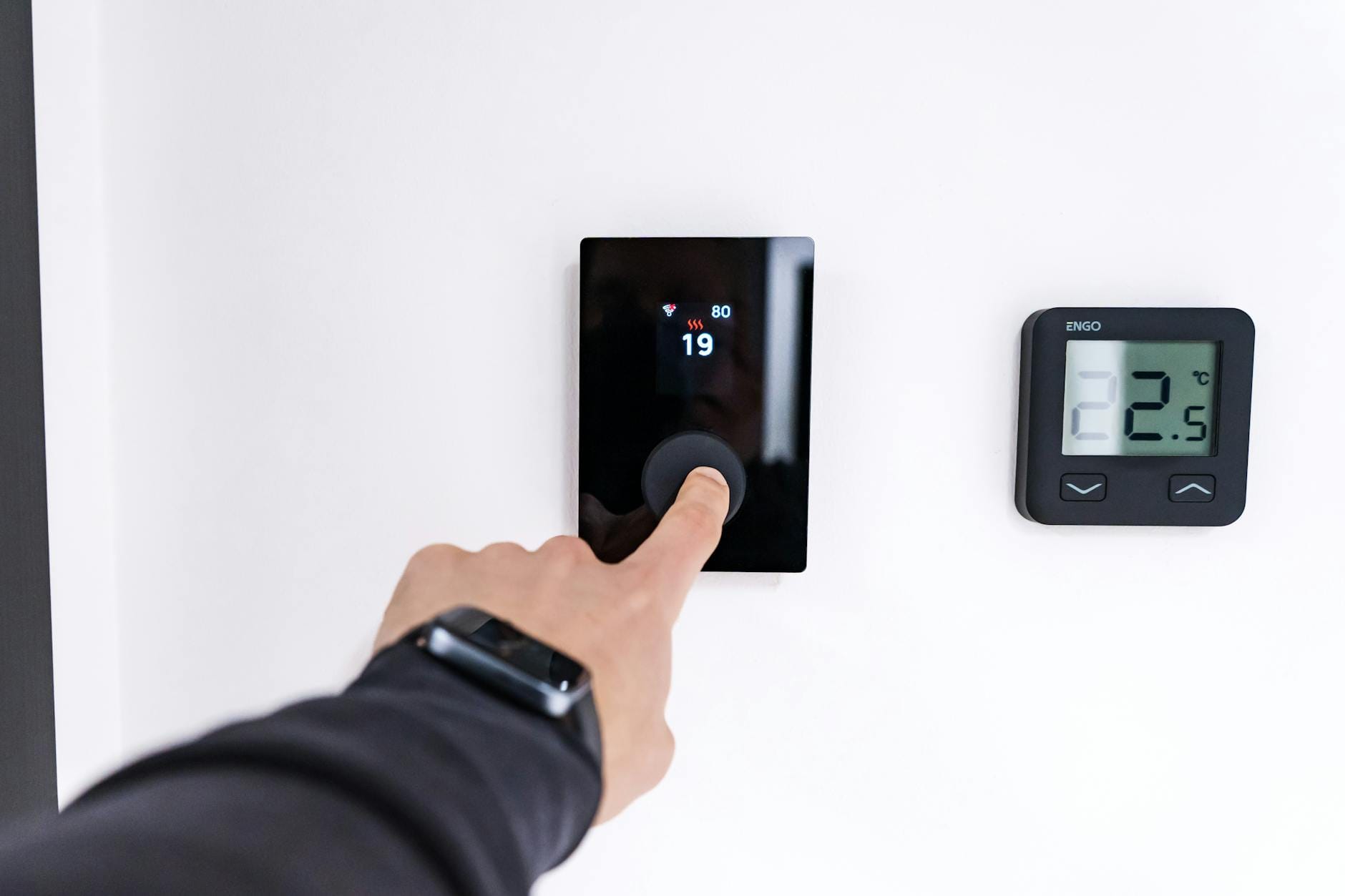
You are staring at a $180 thermostat in the hardware store aisle, wondering if this sleek glass circle can actually shrink your energy bill—or if it is just another gadget collecting dust. The question pops up constantly on Reddit: "Smart thermostats—worth investing into it?" The comments swing wildly between "saved me $300 last year" and "total gimmick, returned it after a month."
The truth sits somewhere between the hype and the hate, and it depends heavily on what you are upgrading from and how you currently manage your home's temperature. After analyzing over a decade of data from the Department of Energy, EPA ENERGY STAR field trials, and real-world utility studies, the numbers tell a clear story.
What the Data Actually Says About Savings
Manufacturers love that "up to 26% savings" claim slapped across the box. It is technically true—in the same way a diet plan promising you can "lose up to 50 pounds" is true for someone who currently weighs 400 pounds and eats pizza for breakfast.
The reality, according to independent ENERGY STAR data from thousands of real homes: the average household saves about 8% on heating and cooling bills after installing a certified smart thermostat. That translates to roughly $50 to $130 per year depending on your climate and utility rates.
Here is the breakdown from verified sources:
- Ecobee manufacturer claim: Up to 26% (~$284/year)
- Nest manufacturer claim: 10-15% (~$131-$145/year)
- ENERGY STAR independent data: 8% average (~$50-$130/year)
- Department of Energy field studies: Up to 10% (~$83/year)
The discrepancy exists because manufacturers calculate savings by comparing a smart thermostat against a manual dial thermostat locked at 72°F all day, every day, year-round. If you already religiously adjust your thermostat or have a programmable one you actually use, your savings will be smaller—maybe 3-5%. But if you currently heat an empty house or blast the AC at 68°F while at work, the savings become significant quickly.
How Smart Thermostats Actually Save Money
They are not magic. They simply eliminate the waste that humans are terrible at preventing themselves.
Geofencing: The Real MVP
This underutilized feature tracks your smartphone's location and automatically switches to away mode when you leave. When you head home, it pre-heats or pre-cools so you walk into comfort without wasting energy all day. Independent studies show geofencing can add up to 23% additional savings on top of basic scheduling because it catches all those random departures—the quick grocery run, the dinner out, the weekend trip you forgot to adjust for.
Learning Algorithms
The Nest Learning Thermostat observes your manual adjustments for two weeks and builds a custom schedule. No programming required. If you turn down the heat every night at 10 PM, it notices. If you bump up the AC on Saturday mornings, it remembers. This removes the friction that causes most people to abandon programmable thermostats.
Remote Access and Alerts
Left for vacation and forgot to adjust the thermostat? Fix it from the airport. Modern thermostats also monitor HVAC performance and alert you if heating or cooling times suddenly increase—often the first sign of a clogged filter or failing component.
The Real Cost: What You Will Actually Pay
Here is where Reddit debates get heated. The thermostat itself is just part of the equation.
| Model | Retail Price | Key Feature | Best For |
|---|---|---|---|
| Google Nest Learning (4th Gen) | $249.99 | Auto-learning, no C-wire needed (most homes) | Set-it-and-forget-it users |
| Ecobee SmartThermostat Premium | $249.99 | Room sensor included, air quality monitoring | Homes with hot/cold spots |
| Ecobee SmartThermostat Enhanced | $189.99 | Room sensor included, no air quality | Best value for multi-room comfort |
| Amazon Smart Thermostat | $79.99 | Basic scheduling, Alexa integration | Apartments, budget buyers |
| Honeywell Home T9 | $169.99 | Geofencing, flexible scheduling | Honeywell ecosystem users |
The C-Wire Problem (And Why It Might Not Matter)
Most smart thermostats need constant power for WiFi and touchscreens, which traditionally requires a "C-wire" (common wire) running from your furnace. Homes built before 1990 often lack this wire.
Before buying, pop off your current thermostat's faceplate. Look for a wire connected to a terminal labeled "C." If you see one, you are golden. If not, you have options:
- Power Extender Kit: Ecobee includes one in the box. It installs at your furnace control board and eliminates the C-wire requirement. Takes about 15 minutes if you are comfortable with basic wiring.
- Power stealing: The Google Nest Learning Thermostat can often pull trickle power from other wires, though this works less reliably on older systems.
- Professional installation: An HVAC tech can run a new wire bundle for $100-$200.
Utility Rebates: Do Not Pay Full Price
Here is a secret the thermostat manufacturers do not advertise loudly: many utility companies will pay you to buy a smart thermostat.
Because reducing peak demand helps prevent grid overload, utilities offer rebates ranging from $50 to $150 for ENERGY STAR certified models. Some states take it further—Massachusetts' ConnectedSolutions program offers up to $200 per year for letting them adjust your thermostat by 1-2 degrees during extreme demand events. Between rebates and ongoing payments, you can effectively get a free premium thermostat that pays you.
Before purchasing, check your utility's website. Major programs include:
- AEP Ohio: $100 rebate
- PECO (Pennsylvania): $50 rebate
- Mass Save (Massachusetts): Up to $100 per thermostat
- Various Texas utilities: $50-$85 rebates
Room Sensors: Worth the Extra Cost?
If your house has hot and cold spots—that bedroom that is always freezing while the hallway thermostat reads 72°F—room sensors justify the premium. Ecobee's system supports up to six wireless sensors that report both temperature and occupancy. You can prioritize the bedroom at night and the living room during the day.
Two-story homes especially benefit since heat rises and upstairs runs 3-5 degrees warmer. Finished basements, rooms with lots of windows, or additions with poor ductwork also see meaningful improvements. If your home maintains fairly even temperatures, skip the sensors and save the money.
When a Smart Thermostat Is NOT Worth It
Let us be honest about the limitations. You should probably skip this upgrade if:
- You already use a programmable thermostat effectively. If you have set schedules that match your life and you rarely override them, a smart model might save only 1-3%.
- Your HVAC system is ancient. A smart thermostat cannot fix a failing 20-year-old air conditioner. The savings come from reducing runtime, not improving efficiency.
- You refuse to use smartphone apps. Geofencing and remote control require the companion app. If you are a dedicated flip-phone user, the benefits diminish significantly.
- You are renting short-term. Unless your landlord will reimburse you, installing a thermostat in a rental you will leave within a year rarely makes financial sense.
The ROI Timeline: When Will It Pay for Itself?
Assuming an 8% energy savings averaging $75 per year:
DIY Installation with Rebate:
Thermostat cost: $180
Utility rebate: -$75
Installation: $0
Payback period: 1.4 years
Professional Installation without Rebate:
Thermostat cost: $180
Installation: $150
Payback period: 4.4 years
Even in the worst-case scenario, the thermostat pays for itself well within its 7-10 year expected lifespan. With rebates and DIY installation, you are looking at payback in under 18 months.
Which One Should You Actually Buy?
For most people: The Google Nest Learning Thermostat (4th Gen) at $249.99. The auto-learning actually works—you do nothing for two weeks while it observes your habits, then it runs itself. Matter compatibility means it will integrate with whatever smart home ecosystem you use in five years. The included temperature sensor adds value most competitors charge extra for.
For homes with temperature imbalances: The Ecobee SmartThermostat Enhanced at $189.99. The included room sensor and superior multi-room averaging justify the price. Skip the Premium unless you specifically want air quality monitoring.
For budget buyers and apartments: The Amazon Smart Thermostat at $79.99. It lacks learning algorithms but handles basic scheduling and geofencing competently. Perfect for smaller spaces where you will not recoup the premium price of fancier models.
So, Are They Worth It?
Yes—with realistic expectations. A smart thermostat will not slash your energy bill in half. It will not fix a broken HVAC system. But it will save most households $50-$130 annually by eliminating the waste that comes from human forgetfulness.
If you currently leave your thermostat static all day, the savings justify the cost within 1-2 years. If you already manage a programmable thermostat effectively, the upgrade becomes more about convenience than dramatic savings.
The key is taking five minutes to check for utility rebates before buying. At $50-$100 back plus the ongoing energy savings, this becomes one of the few home technology purchases that actually pays you back.
Sources
- ENERGY STAR Smart Thermostat Certification Data - energystar.gov
- U.S. Department of Energy HVAC Efficiency Studies - energy.gov
- HVAC Calculator Hub - Independent Field Study Analysis 2026
- ElectricRates.org Consumer Savings Analysis
- Manufacturer Specifications: Google Nest, Ecobee, Amazon, Honeywell Home