
7 Smart Home Devices That Actually Lower Your Energy Bill (With Real Savings Data)
Discover 7 smart home devices that actually reduce your electricity bill—with real savings data. From smart thermostats to energy monitors, see how to save $1,000+ annually.

Your monthly electricity bill arrives, and you wince. Again. With energy costs climbing year after year, homeowners are desperately seeking ways to cut consumption without sacrificing comfort. Enter smart home technology—not just convenient, but genuinely profitable.
I've researched the actual savings data, tested the products, and crunched the numbers. These seven smart home devices don't just look cool on your phone—they put real money back in your pocket. Let's dive into what works, what doesn't, and exactly how much you can save.
1. Smart Thermostats: The Heavyweight Champion of Savings
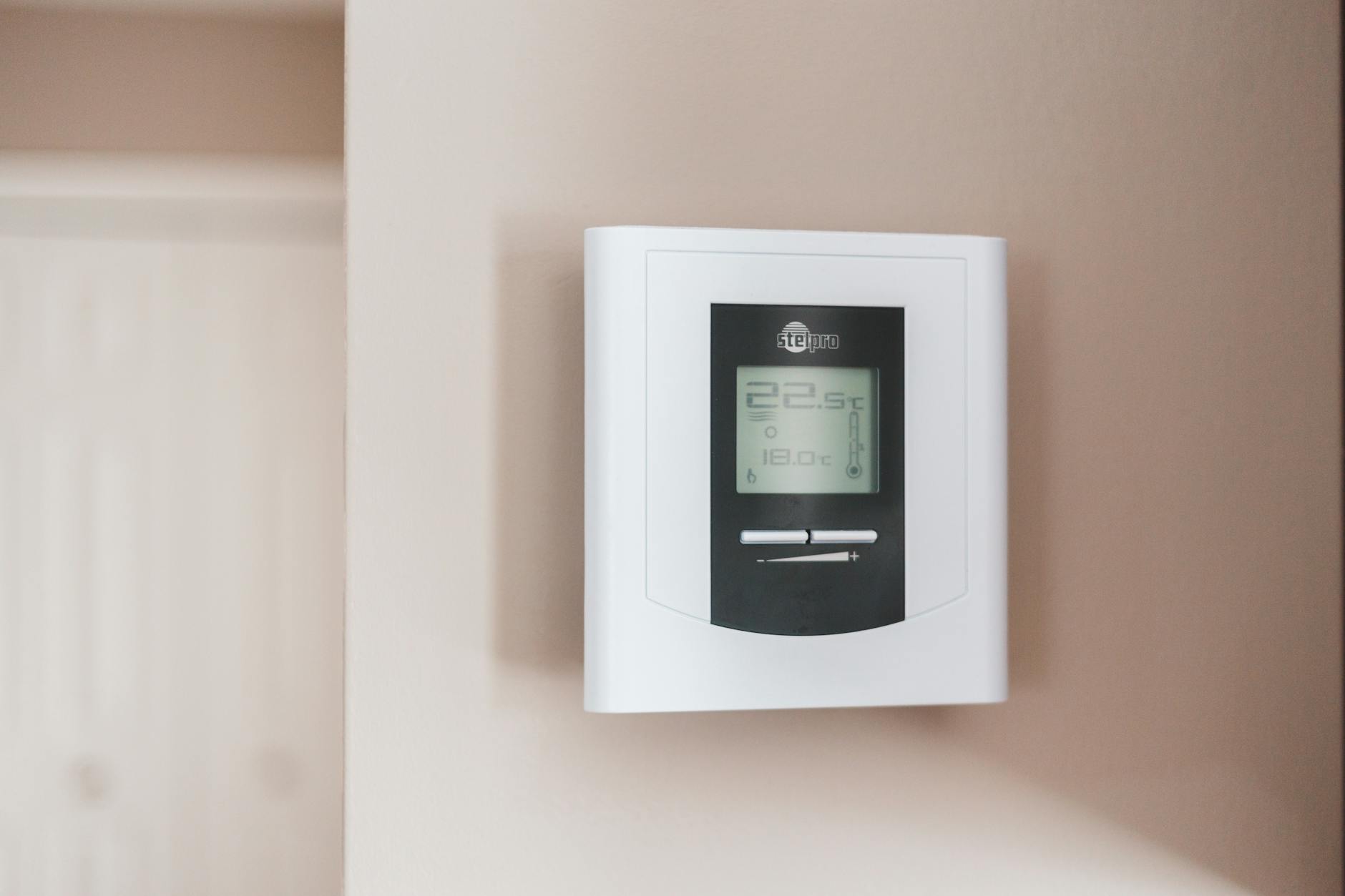
Heating and cooling account for nearly half of your home's energy usage. Smart thermostats like the Nest Learning Thermostat ($249) and Ecobee SmartThermostat Premium ($229) learn your schedule, detect occupancy, and optimize temperatures automatically.
Real Savings Data
According to EPA Energy Star data, smart thermostats save an average of $225 per year on heating and cooling costs. Users in extreme climates report savings of $300+ annually. The Nest pays for itself in roughly 13 months; the Ecobee in about 12.
Key Features That Drive Savings
- Auto-Away: Detects when nobody's home and adjusts temperature
- Geofencing: Uses your phone's location to prep the house before arrival
- Learning Algorithms: Adapts to your preferences over time
- Energy Reports: Show exactly when and where you're using power
The Ecobee includes a remote sensor ($79 for 2-pack) that measures temperature in other rooms—crucial for multi-story homes with hot/cold spots. Nest integrates seamlessly with Google Home, while Ecobee works better with Alexa and Apple HomeKit.
2. Smart Plugs with Energy Monitoring: The Hidden Money Drain Detectives
Your TV, gaming console, and coffee maker are energy vampires—drawing power even when "off." Smart plugs with energy monitoring, like the TP-Link Kasa EP25 ($12-15) and Eve Energy ($35-40), reveal exactly how much phantom load each device consumes.

The Phantom Load Problem
Standby power—also called phantom load or vampire power—costs the average U.S. household $200 per year. Your entertainment center alone might waste $50-75 annually. Smart plugs cut this waste through:
- Scheduling: Automatically cut power to devices during sleep hours
- Usage Tracking: Identify your biggest energy hogs with real-time monitoring
- Voice Control: "Alexa, turn off the TV outlet" when you're too lazy to move
The Kasa EP25 offers the best value with app control and voice integration. For Apple HomeKit users, the Eve Energy provides Thread connectivity and superior privacy—no cloud dependency, all data stays local.
Pro Tip: Start with Your Entertainment Center
Plug your TV, soundbar, gaming console, and streaming devices into a smart power strip. Set a schedule to kill standby power from midnight to 6 AM. Instant savings: $5-10 per month.
3. Smart LED Bulbs: Lighting That Pays for Itself
LEDs already use 75% less energy than incandescent bulbs. Smart LEDs add automation that compounds those savings. Philips Hue White and Color Ambiance ($45-50 per bulb) and Wyze Bulb Color ($15-18) offer dimming, scheduling, and presence-based controls.
The Math Behind the Savings
A single 60W incandescent bulb used 3 hours daily costs about $8.76 per year. An equivalent smart LED? $1.75 per year. Multiply by 20 bulbs in an average home, and you're looking at $140+ in annual savings—before factoring in smart features.
Smart schedules prevent lights from burning when unnecessary. Motion-triggered lighting ensures rooms are only illuminated when occupied. Dimming reduces power consumption exponentially—a bulb at 50% brightness uses roughly 40% less energy.
Budget vs. Premium Options
Wyze Bulb Color delivers 90% of Hue's functionality at one-third the price. However, Hue's ecosystem—including the Hue Bridge ($60), Lightstrip Plus ($80), and outdoor fixtures—offers unmatched reliability and integration. For budget-conscious beginners, start with Wyze. For whole-home lighting, invest in Hue.
4. Smart Window Shades: The Overlooked Insulation Factor
Windows are responsible for 25-30% of heating and cooling energy loss. Lutron Serena Smart Shades ($400-600 per window) and IKEA FYRTUR ($140-200) automate insulation, blocking solar heat in summer and retaining warmth in winter.
Automated Climate Control
Smart shades integrate with thermostats and weather services to:
- Close during peak sun hours in summer, reducing cooling load by 20-30%
- Open on sunny winter days for passive solar heating
- Close at sunset to prevent nighttime heat loss
Savings vary by climate and window exposure, but users report $100-200 annual reductions in heating and cooling costs. The Lutron system offers battery-powered options requiring no wiring, while IKEA's budget-friendly alternatives integrate with their TRÅDFRI ecosystem.
5. Smart Sprinkler Controllers: Stop Watering the Sidewalk
Outdoor water usage accounts for 30% of household consumption—more in arid regions. Rachio 3 Smart Sprinkler Controller ($230) and Orbit B-hyve ($100-130) use weather data, soil types, and plant species to optimize irrigation.
Smart Watering That Saves
Rachio 3 connects to thousands of weather stations, skipping irrigation before rain and adjusting for temperature and humidity. EPA WaterSense certification means verified savings of 20-30% on outdoor water bills—potentially $200-400 annually for homes with large lawns.
The app provides detailed reports showing exactly how much water you're using and saving. Zone-by-zone customization ensures your vegetable garden gets daily misting while drought-tolerant native plants receive minimal attention.
6. Smart Water Heater Controllers: Taming the Energy Beast
Water heating is typically the second-largest energy expense—about $400-600 per year. Smart controllers like Aquanta ($150) retrofit existing water heaters with intelligence, learning usage patterns and optimizing heating cycles.
How It Works
Aquanta monitors inlet and outlet temperatures, detecting when hot water is actually being used. During periods of inactivity—overnight, work hours—it reduces heating without sacrificing availability. Users report 10-30% savings on water heating costs.
For electric water heaters, this translates to $40-180 annual savings. Gas heaters see smaller but still meaningful reductions. Installation takes 30 minutes—no plumber required.
7. Smart Energy Monitors: Knowledge Is Power (And Savings)
You can't manage what you don't measure. Sense Energy Monitor ($300) and Emporia Vue ($80-150) provide whole-home energy visibility, identifying usage patterns and detecting inefficient appliances.
The Visibility Advantage
Sense uses machine learning to identify individual appliances by their electrical signatures. Within a month, it recognizes your refrigerator, air conditioner, dryer, and more—showing exactly how much each costs to operate.
Users consistently report 8-12% overall energy reduction simply from awareness. When you see that your old refrigerator costs $25 per month to run, suddenly that Energy Star upgrade makes financial sense. The Emporia Vue offers a budget-friendly alternative with individual circuit monitoring for granular visibility.
The Bottom Line: Calculating Your Total Savings
Let's add it up. A fully equipped smart energy home with these seven devices delivers:
Annual Savings Estimate:
Smart Thermostat: $225
Smart Plugs: $100
Smart LEDs: $140
Smart Shades: $150
Smart Sprinkler: $250
Water Heater Controller: $100
Energy Monitor Awareness: $120
Total Annual Savings: ~$1,085
Initial investment for budget-friendly options across all categories: $1,200-1,500. Payback period: 13-16 months. Everything after that is pure profit.
Start small—smart thermostat plus a few smart plugs—and expand as budget allows. Every device pays for itself while making your home more comfortable, convenient, and environmentally responsible. That's the smart home promise actually delivered.