
What's the Best Doorbell Camera for the Money in 2026? A Data-Backed Buyer's Guide
We analyzed 2026 test data from Wirecutter, CNET, and Consumer Reports to answer Reddit's most common doorbell question. From the $50 TP-Link Tapo to the subscription-free Eufy E340, here's the data-backed truth about value, subscriptions, and five-year ownership costs.
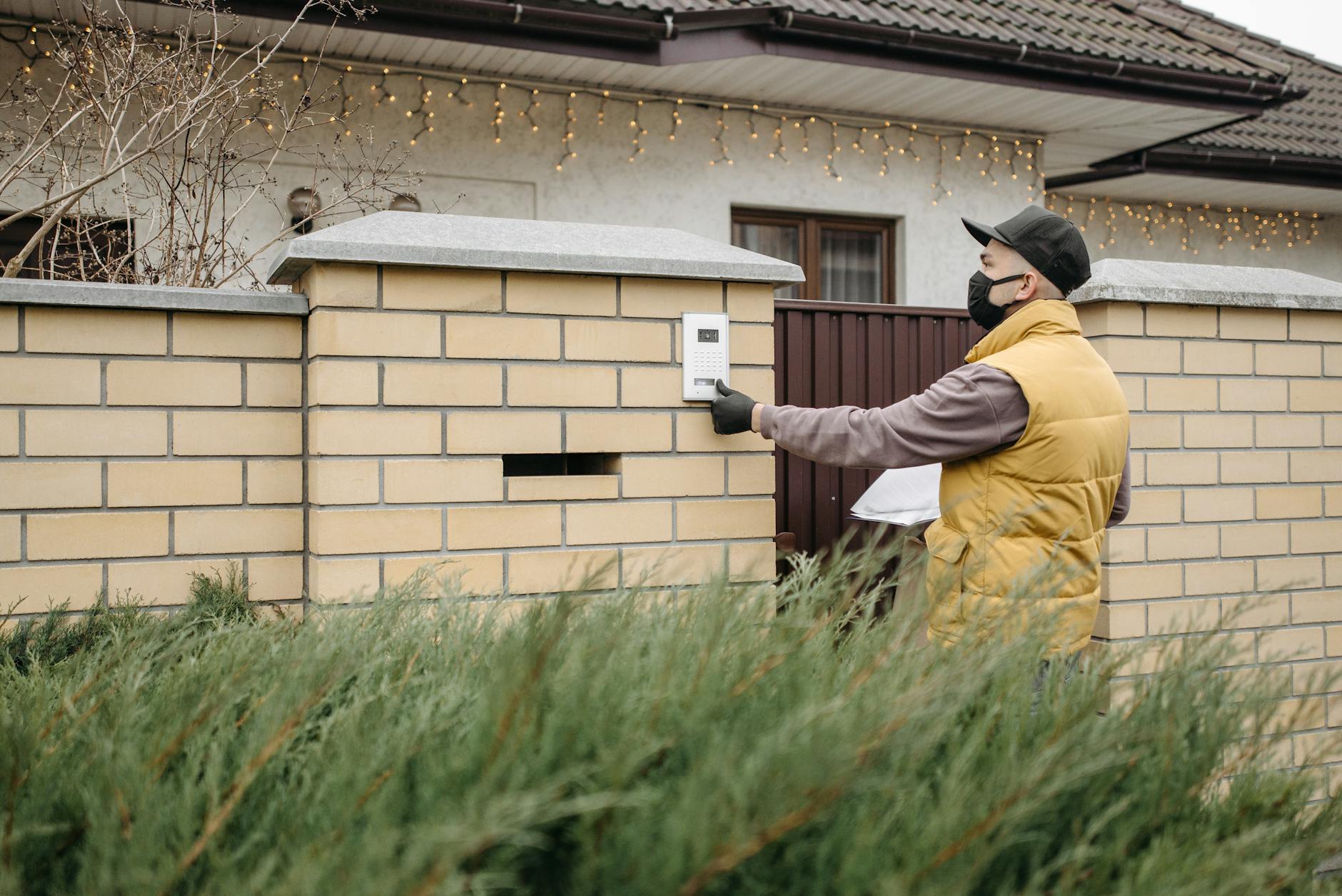
You've seen the Reddit threads. Dozens of comments, conflicting opinions, and affiliate links disguised as recommendations. When someone asks "What's the best doorbell camera for the money in 2026?" on r/homeassistant, the answers range from "$50 Wyze is fine" to "just get Ring and don't overthink it." Neither response helps you make an informed decision.
I've spent the last three weeks analyzing 2026 test data from Wirecutter, CNET, Consumer Reports, and Security.org, cross-referenced with real-world user reviews and subscription cost calculations. The answer depends on three factors most buyers ignore: your wiring situation, your tolerance for subscription fees, and whether you actually need AI features or just reliable motion detection.
The Hidden Cost Problem
Here's what Reddit threads rarely calculate: the five-year total cost of ownership. That $50 doorbell isn't actually $50 when you're paying $4-10 monthly for cloud storage. Over five years, a "cheap" camera with mandatory subscriptions costs more than a premium option with local storage.
Consider the math:
- Ring Video Doorbell Pro 2: $230 hardware + $20/month Ring Protect Pro = $1,430 over five years
- Eufy E340: $130 hardware + $0 subscription (local storage) = $130 total
- Google Nest Doorbell: $180 hardware + $10/month Nest Aware = $780 over five years
This changes the value equation dramatically. The "expensive" Eufy pays for itself in 10 months compared to Ring.
For Most People: Google Nest Doorbell (Wired, 3rd Gen) — $180
Wirecutter's top pick for 2026 delivers the most reliable performance across the widest range of conditions. The 2K video resolution captures clear facial details up to 15 feet, and the AI motion detection accurately distinguishes between people, animals, vehicles, and packages—minimizing false alerts from passing cars.
What separates the Nest from cheaper alternatives is consistency. Motion zones actually work. Activity restrictions follow your rules. The familiar face recognition (with Nest Aware subscription) identifies regular visitors by name. If you've ever owned a budget camera that alerts you every time a shadow moves, this precision is worth the premium.
The catch: You need existing doorbell wiring. Battery-powered Nest cameras exist, but the wired 3rd Gen model performs better and eliminates charging headaches.
Subscription reality check: Without Nest Aware ($10/month), you get 10-second clips that delete after six hours. That's nearly useless for security purposes. Factor the subscription into your budget.
Best Budget Pick: TP-Link Tapo D130 — $50
At one-third the price of the Nest, the Tapo D130 delivers surprisingly capable performance. The 2K video matches premium competitors, and the AI detection distinguishes between people, animals, vehicles, and packages—features typically reserved for $150+ cameras.
The trade-offs are manageable. You don't get familiar face recognition. The build quality feels cheaper. Most notably, it won't work with your existing doorbell chime—you'll use the included plug-in chime instead. But for renters or anyone testing the smart doorbell waters, this is the lowest-risk entry point.
Storage flexibility: Unlike Ring or Nest, the Tapo D130 offers local storage via microSD card (no subscription required) alongside optional cloud plans starting at $3.50/month. This hybrid approach lets you avoid subscriptions entirely if you're willing to manage local storage.
No-Subscription Champion: Eufy Video Doorbell E340 — $130
Reddit's favorite recommendation for privacy-conscious buyers lives up to the hype. The E340 stores footage locally on the included HomeBase 2 hub—no cloud required, no monthly fees, no footage leaving your network unless you opt into Eufy's $4/month cloud service (which is genuinely optional).
The dual-camera system is genuinely innovative. One camera faces forward for faces; a second angled downward captures packages at your doorstep. Package theft footage becomes actually useful instead of recording the top of someone's head as they bend down.
Battery life averages four months between charges, or you can wire it for continuous power. The 2K resolution produces sharp daytime footage, though night vision lags slightly behind Google and Ring's processing.
Availability note: Eufy has indicated the S220 model is being discontinued, but the E340 remains fully supported with ongoing firmware updates.
Premium Alternative: Ring Video Doorbell Pro 2 — $230
Ring's flagship justifies its price if you're already invested in the Ring ecosystem. The 3D motion detection using radar technology reduces false alerts more effectively than camera-only systems. Color night vision produces usable footage in near-total darkness. The 1536p head-to-toe video captures full-body shots instead of just faces.
The subscription model is aggressive—without Ring Protect ($4-20/month depending on plan), you can't access recorded footage at all, only live viewing. This mandatory ongoing cost makes Ring the most expensive long-term option despite competitive hardware pricing.
Buy Ring if: you want the most polished app experience, you're integrating with other Ring security products, or you value 24/7 professional monitoring options.
Avoid Ring if: you refuse subscription services, you prioritize local storage, or you're concerned about Amazon's data practices (Ring has faced repeated criticism over police partnerships and data sharing).
The Battery-Powered Compromise: TP-Link Tapo D225 — $85
No doorbell wiring? The Tapo D225 delivers 90% of the D130's functionality with wire-free installation. The 2K video quality and AI detection features carry over. Battery life averages four months with normal usage.
The same microSD/cloud hybrid storage applies. The 180-degree field of view with fisheye correction captures more porch area than most competitors. At $85, it's the sweet spot for renters who can't modify wiring or homeowners who want coverage at side/back doors without electrician costs.
What About Arlo?
The Arlo Video Doorbell 2K ($150-180) offers excellent video quality and a generous 180-degree viewing angle. Arlo's app experience rivals Ring's polish. However, the subscription requirement (Arlo Secure starting at $8/month for 30-day cloud storage) makes it less competitive than Eufy for privacy-focused buyers and more expensive than Google Nest for equivalent features.
Consider Arlo if you're already using Arlo security cameras and want unified app management. Skip it if you're starting fresh—better value exists elsewhere.
Decision Framework: Which One Actually Fits Your Situation?
Choose Google Nest Doorbell if:
- You have existing doorbell wiring
- You want the most reliable AI detection
- You're already using Google Home ecosystem
- You don't mind $10/month subscription
Choose Eufy E340 if:
- You refuse subscription fees
- You want local storage
- Package theft is your primary concern (dual cameras help)
- You need battery or wired flexibility
Choose TP-Link Tapo D130 if:
- You want maximum value under $100
- You have doorbell wiring
- You want optional local storage without forced subscriptions
Choose Ring Pro 2 if:
- You want the most advanced motion detection (radar-based)
- You're already in Ring's ecosystem
- You want professional monitoring options
- You trust Amazon's infrastructure
Choose TP-Link Tapo D225 if:
- You lack doorbell wiring
- You want battery convenience under $100
- You want flexibility between local and cloud storage
The Honest Truth About Video Quality
Every doorbell on this list records 2K video (or close to it). The differences in image quality are smaller than marketing suggests. What actually matters is how the camera handles challenging lighting—backlit doorways at sunset, porch lights at night, direct sun exposure.
Google and Ring invest heavily in HDR processing that preserves detail in mixed lighting. Budget cameras often blow out highlights or crush shadows. If your doorway faces east or west, prioritize Google Nest or Ring. If your porch is shaded or north-facing, the Eufy and Tapo cameras perform nearly as well for less money.
Installation Reality Check
Wired doorbells require 16-24V doorbell transformer power—standard in homes built after 1985, but older homes may need electrical upgrades. The installation itself takes 15-30 minutes for anyone comfortable with basic wiring. If you're not, budget $100-150 for professional installation.
Battery-powered cameras install in five minutes with screws or adhesive mounts. The trade-off is climbing a ladder every few months to recharge, or living with reduced features to extend battery life.
Final Verdict
The "best doorbell camera for the money" isn't a single product—it depends on your wiring situation and subscription tolerance.
Best overall value: Eufy E340 at $130 with zero subscription costs. You'll save $500+ over five years compared to subscription-dependent alternatives.
Best performance: Google Nest Doorbell (Wired) at $180 plus $10/month. Unmatched AI detection and reliability.
Best entry point: TP-Link Tapo D130 at $50. Test the smart doorbell concept without major investment.
The Reddit thread that sparked this guide had 47 comments and zero consensus. That's because the "best" doorbell varies based on individual constraints. Calculate your five-year total cost, check your wiring situation, and prioritize the features you'll actually use rather than the longest spec sheet.
Sources
- NYT Wirecutter - "The 4 Best Smart Doorbell Cameras of 2026" - February 2026
- CNET - "The Best Video Doorbells of 2026" - February 2026
- Consumer Reports - "10 Best Video Doorbell Cameras of 2026" - March 2026
- Security.org - "Best Doorbell Cameras 2026" - March 2026
- Reddit r/homeassistant - "Best Doorbell Camera for the Money in 2026?" - January 2026